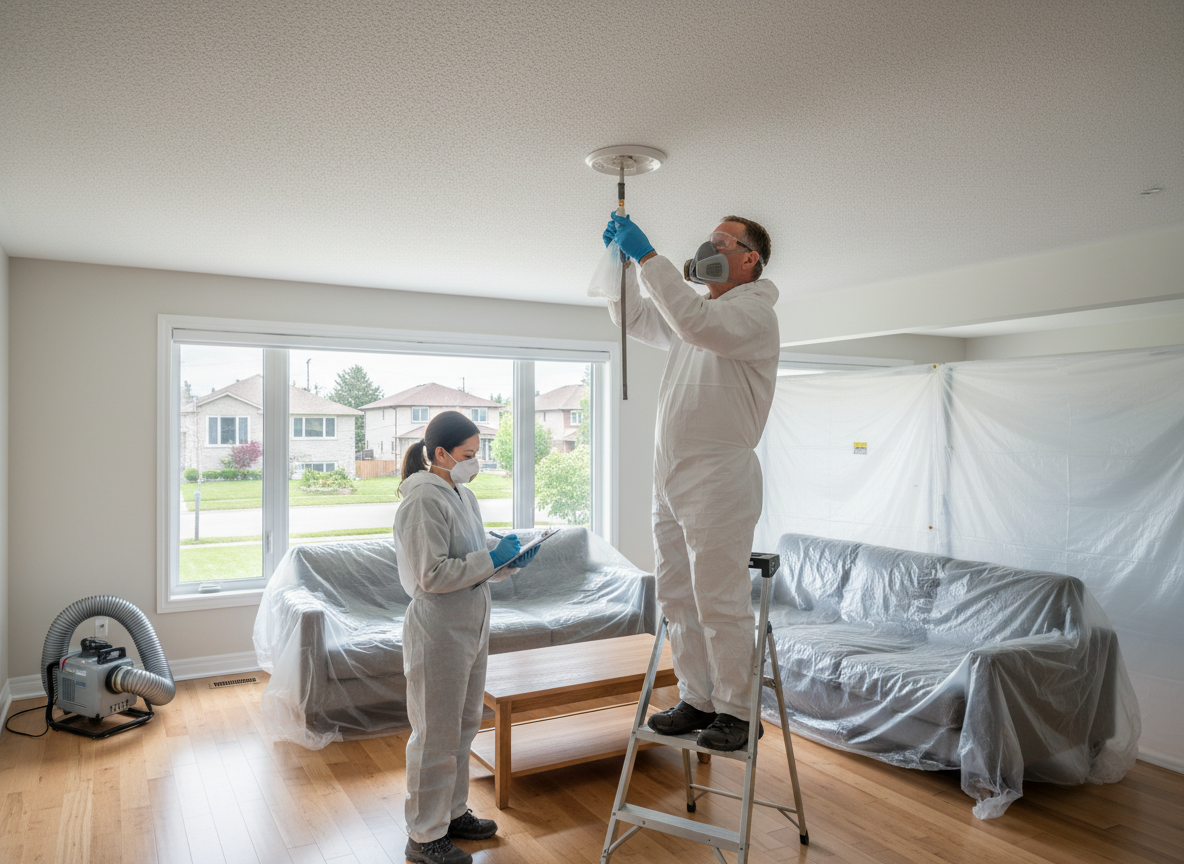
Attics rarely get much attention until a renovation, an insulation upgrade, or a home inspection brings them into the conversation. That is often when homeowners ask whether attic insulation may contain asbestos. Some older insulation products contain vermiculite, and vermiculite is one of the materials that can contain asbestos.
People Also Ask
Does all vermiculite insulation contain asbestos?
No. However, suspected vermiculite should remain undisturbed until a professional assesses it.
Is vermiculite insulation safe if it is left alone?
Undisturbed material sitting in a closed attic is generally considered lower risk. Concerns increase when it is moved, drilled through, or blown around.
Who collects vermiculite samples?
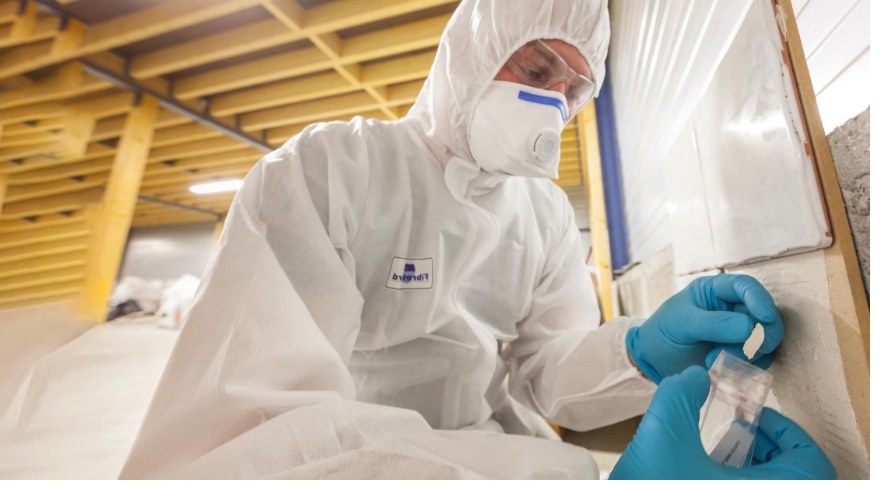
A trained remediation professional collects the sample under controlled conditions and submits it to an accredited laboratory for analysis.
Vermiculite was poured into attics in older homes, and plenty of it is still in place. Asbestos content cannot be confirmed by looking at it, only through residential asbestos testing. Homeowners can recognize the signs that vermiculite sampling should happen before anyone starts working overhead. The following signs may warrant professional assessment.
Loose Fill Insulation in the Attic
Vermiculite is a granular form of loose fill insulation. Other loose fill products include fibreglass and cellulose. Vermiculite was poured between the joists, so it settles flat and fills gaps rather than sitting in neat rolls.
These products can look similar from the hatch, and photographs rarely settle the question. Unidentified granular insulation warrants an asbestos inspection before attic work. The professional determines whether sampling is appropriate.
Insulation From an Earlier Era
Vermiculite insulation went into homes built and upgraded in an earlier era. Older homes in Scarborough, Markham, and Newmarket may contain insulation installed during earlier construction or renovations.
Attic insulation may include layers added during different renovations. Construction date alone cannot identify the materials present. Renovation records help, though they are usually incomplete.
Grey or Brown Insulation Pellets
Vermiculite granules are small and pebbly, with a layered, accordion like texture. Colour usually falls somewhere between grey brown and a silver gold tone.
Many homeowners hear about it from a home inspector or a contractor quoting attic work. Appearance narrows the possibilities without settling anything. Similar looking insulation may differ in composition. A professional explains laboratory findings and the limitations of vermiculite sampling. An accredited laboratory analyzes professionally collected samples for asbestos. The professional explains the findings and any sampling limitations.
Insulation Spilling Near the Attic Hatch
Granules below an attic hatch or near ceiling fixtures may indicate insulation escaping from the attic. A professional should assess the source.
Spillage tends to surface during move out cleaning or a walk through with a new tenant. It can also surface during turnover in rental homes, which is why asbestos sampling during rental home turnover is worth scheduling before painting or repairs begin. Leave suspected insulation undisturbed and arrange professional assessment before cleanup.
Signs of Past Attic Disturbance
Attics change over the years. Tracks through insulation, added wiring, newer batts, and later installed fixtures may indicate past attic work.
These details usually appear in an inspection report or in photos taken during a quote. Past disturbance helps the professional assess material condition and determine an appropriate sampling scope. Laboratory analysis of bulk samples assesses asbestos content in materials. Clearance air sampling serves a different purpose after removal, where applicable.
Moisture Staining on Attic Sheathing
Roof leaks and ventilation problems leave marks on the underside of the roof. Staining on the sheathing, damp insulation, and frost buildup in winter all point to attic moisture.
Moisture matters here beyond the wood itself. Repairs bring trades into the attic, which is exactly when undisturbed material stops being undisturbed. Persistent attic moisture can support mould growth, which is one reason mould appears during heating season. Assessment should identify the moisture source, which may involve leaks, condensation, or ventilation problems. When both concerns are present, the professional can assess whether coordinated asbestos and mould removal is appropriate.
Arrange Vermiculite Sampling Before Insulation Work
None of these signs proves asbestos is present. Each is a reason to have the attic assessed before anyone pulls insulation, runs wire, or works overhead.
The home asbestos testing sequence is straightforward. A professional inspects the attic and collects samples where required. An accredited laboratory analyzes the samples. A professional explains the findings and whether asbestos removal is appropriate. Records of inspection, laboratory analysis, and any removal or applicable clearance sampling can support future renovation, sale, or insurance discussions.
Air Doctors provides residential inspections, professional vermiculite sampling, and vermiculite insulation removal when appropriate. Book an attic assessment before you begin insulation work.
Frequently Asked Questions About Vermiculite Insulation Removal
How long does vermiculite removal take?
Timelines depend on attic size, access, and the amount of material present. A professional assessment provides a realistic estimate for your home.
Do I need to leave the house during removal?
That depends on the work area setup and the scope of the project. The remediation plan confirms whether occupants should be out of the home.
Does vermiculite insulation have to be removed?
Not necessarily. Material that is undisturbed and well away from planned work may be left in place, though removal is common before renovations or insulation upgrades.
Is clearance sampling done after vermiculite removal?
Where applicable, an accredited laboratory analyzes clearance air samples against relevant clearance criteria. A professional explains the results and any remaining occupancy restrictions.
Should I tell a home inspector about suspected vermiculite?
Yes. Inform the inspector about suspected vermiculite so they can account for it when planning access and recommending further assessment.

Locations We Serve
© 2026 Air Doctors Inc. | Marketed By MacRAE'S -Local SEO Company