Asbestos can complicate an Ontario home sale when its presence is known, suspected, or discovered after closing. The important question is not simply whether an older home contains asbestos. The material’s condition, whether the issue was known, whether it was reasonably discoverable, and what information was provided during the transaction can all matter.
Ontario real estate rules distinguish between visible or discoverable defects and certain hidden defects. That distinction can affect the responsibilities and risks facing buyers and sellers.
This guide provides general educational information about asbestos disclosure in Ontario. It is not legal advice. Buyers and sellers with transaction-specific concerns should consult an Ontario real estate lawyer.
What Counts as a Latent vs. Patent Defect?
Ontario real estate guidance generally separates property defects into two categories.
A patent defect is a problem that is readily visible or can reasonably be identified during an inspection. A latent defect is hidden and may not be readily discoverable through an ordinary inspection.
Not every latent defect automatically creates the same disclosure obligation. The nature and seriousness of the condition matter.
This distinction is particularly important with asbestos because asbestos-containing material may be concealed behind walls, ceilings, flooring, insulation, or other finishes. At the same time, the age or appearance of a material does not establish that asbestos is present. Our guide on what asbestos looks like explains why.
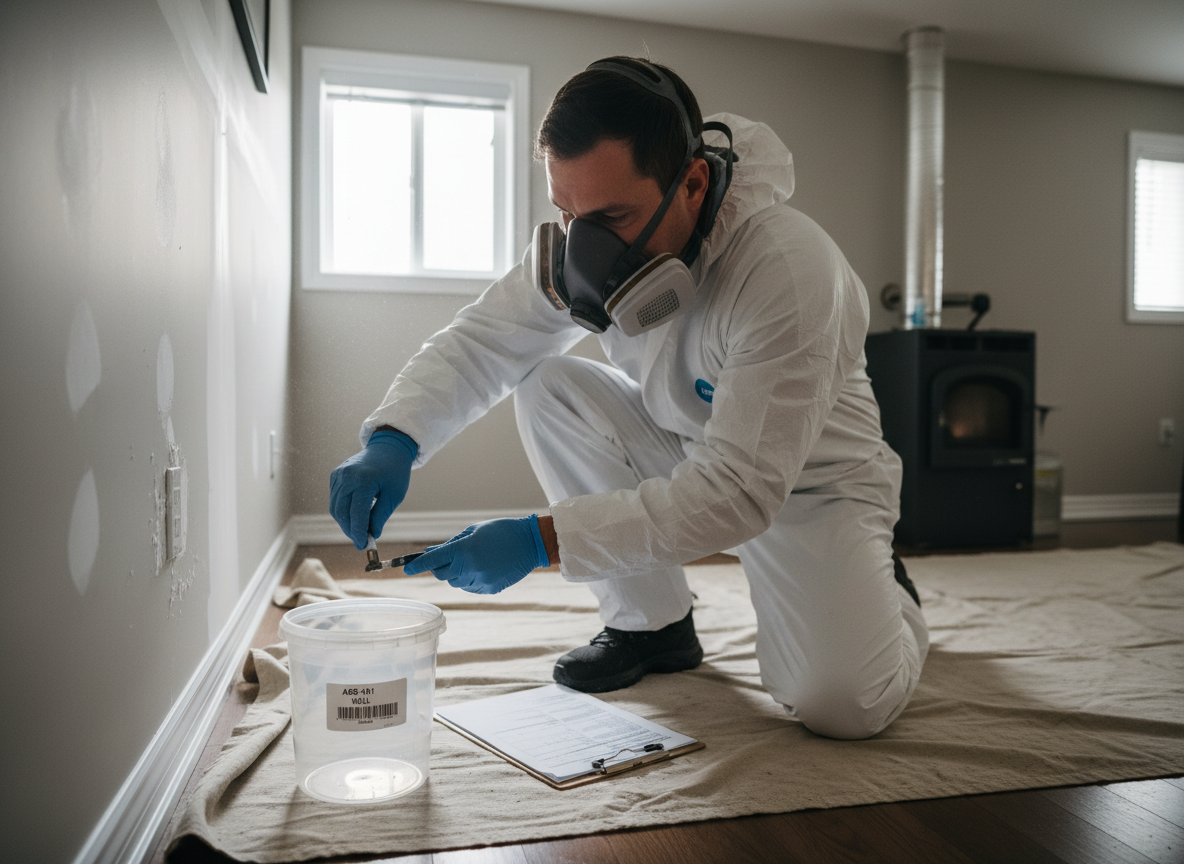
Professional sampling followed by accredited laboratory analysis may be needed to determine whether a suspect material contains asbestos. Residential asbestos testing provides that documented result.
Seller Exposure When Asbestos Is Known but Undisclosed
Sellers should be cautious about withholding information concerning a known property condition.
RECO advises that sellers have legal obligations concerning certain latent defects and warns that failing to disclose a latent defect may lead to allegations of misrepresentation or litigation. It also recommends obtaining legal advice when there is uncertainty about whether a particular condition requires disclosure.
That does not mean every known asbestos-containing material automatically creates the same legal obligation.
The circumstances of the property matter. Sellers who know that asbestos has been identified should provide that information to their real estate lawyer and obtain transaction-specific advice rather than deciding independently whether disclosure is required.
Existing inspection reports, laboratory results, and remediation records can help establish what was known and when.
Buyer Exposure When Asbestos Is Discovered Post-Closing
Ontario resale transactions generally operate under the principle of buyer beware. Buyers are therefore encouraged to conduct appropriate due diligence before purchasing a property. However, exceptions can apply to certain defects and circumstances.
Discovering asbestos after closing does not automatically establish that the seller did something wrong.
Several questions may become relevant:
- Was the asbestos previously known?
- Was the condition visible or reasonably discoverable?
- Was information about it requested before purchase?
- Were any representations made about the property?
- Are previous inspection or laboratory records available?
A buyer who believes important information was withheld should obtain legal advice. Inspection reports, correspondence, disclosure documents, and laboratory results can help a lawyer understand what occurred during the transaction.
How Disclosure Typically Plays Out in Practice
Documentation can reduce uncertainty for everyone involved.
A seller may have records from an earlier renovation showing that professionals sampled suspect materials. An accredited laboratory report may confirm whether asbestos was identified. If removal occurred, remediation and clearance records may also be available.
Ontario sellers may also complete a property information statement containing information about defects, renovations, and other aspects of the property. These statements are based on the seller’s knowledge and should not replace a buyer’s own due diligence.
For both parties, written documentation provides more useful information than assumptions based on the age or appearance of building materials.
What Proper Testing and Documentation Change for Both Parties
Uncertainty creates much of the difficulty surrounding asbestos during a property transaction.
A textured ceiling or older flooring may be suspected of containing asbestos. Suspicion alone does not provide either party with a confirmed answer.
Professional sampling followed by accredited laboratory analysis can establish whether asbestos is present in the sampled material.
For sellers, documented results provide clearer information to discuss with their real estate and legal professionals.
For buyers, the same documentation can help inform decisions about renovations, future asbestos removal in Ontario, or whether further professional assessment is warranted.
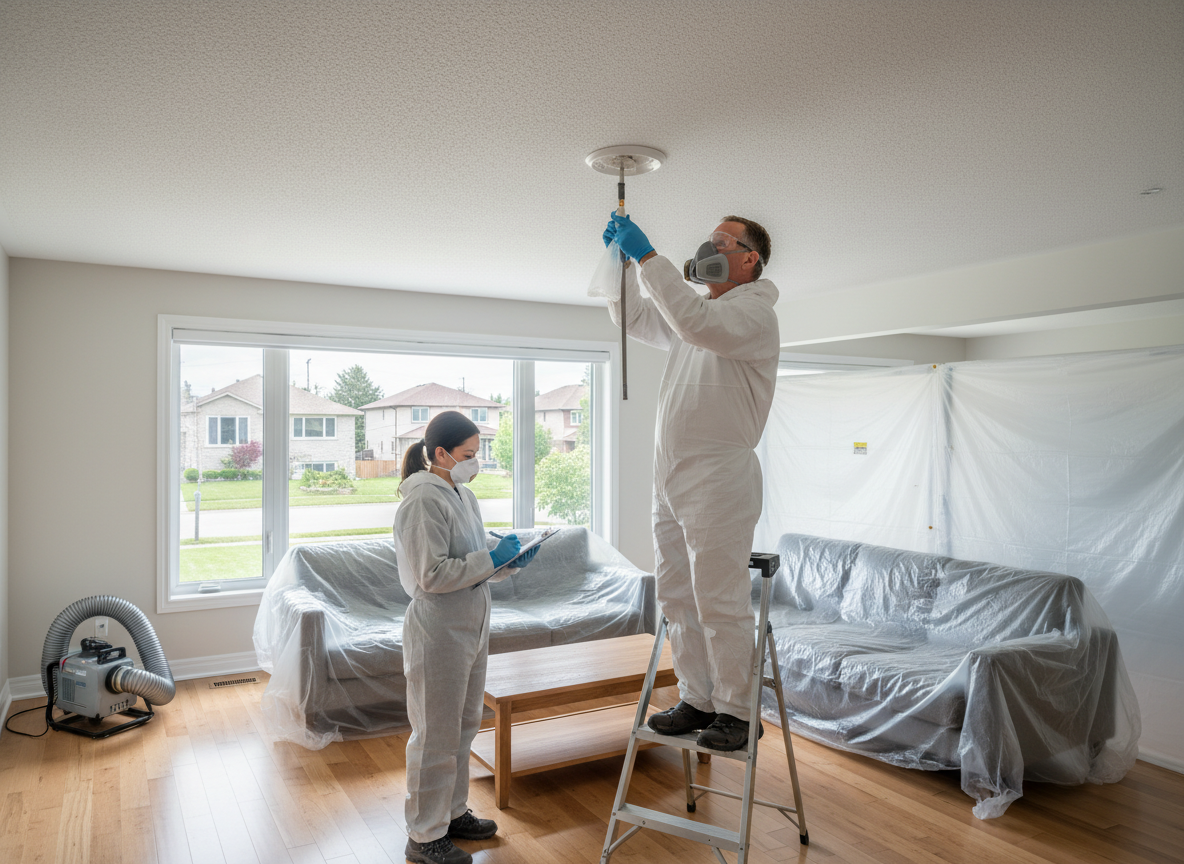
Air Doctors can conduct residential inspections and collect samples where appropriate. Accredited laboratories perform the laboratory analysis. Air Doctors does not perform laboratory testing.
A Practical Framework for Approaching Asbestos Disclosure
Both buyers and sellers benefit from replacing assumptions with documented information.
When suspect materials create uncertainty, consider three principles:
- Assess concerns early. Professional assessment before a transaction progresses can provide more time to understand the findings.
- Keep documentation. Inspection reports, accredited laboratory results, remediation records, and relevant transaction documents establish a clearer property history.
- Use the right professional for each question. Environmental professionals can assess and sample suspect materials. Accredited laboratories analyze collected samples. Real estate lawyers should advise buyers and sellers about transaction-specific disclosure obligations.
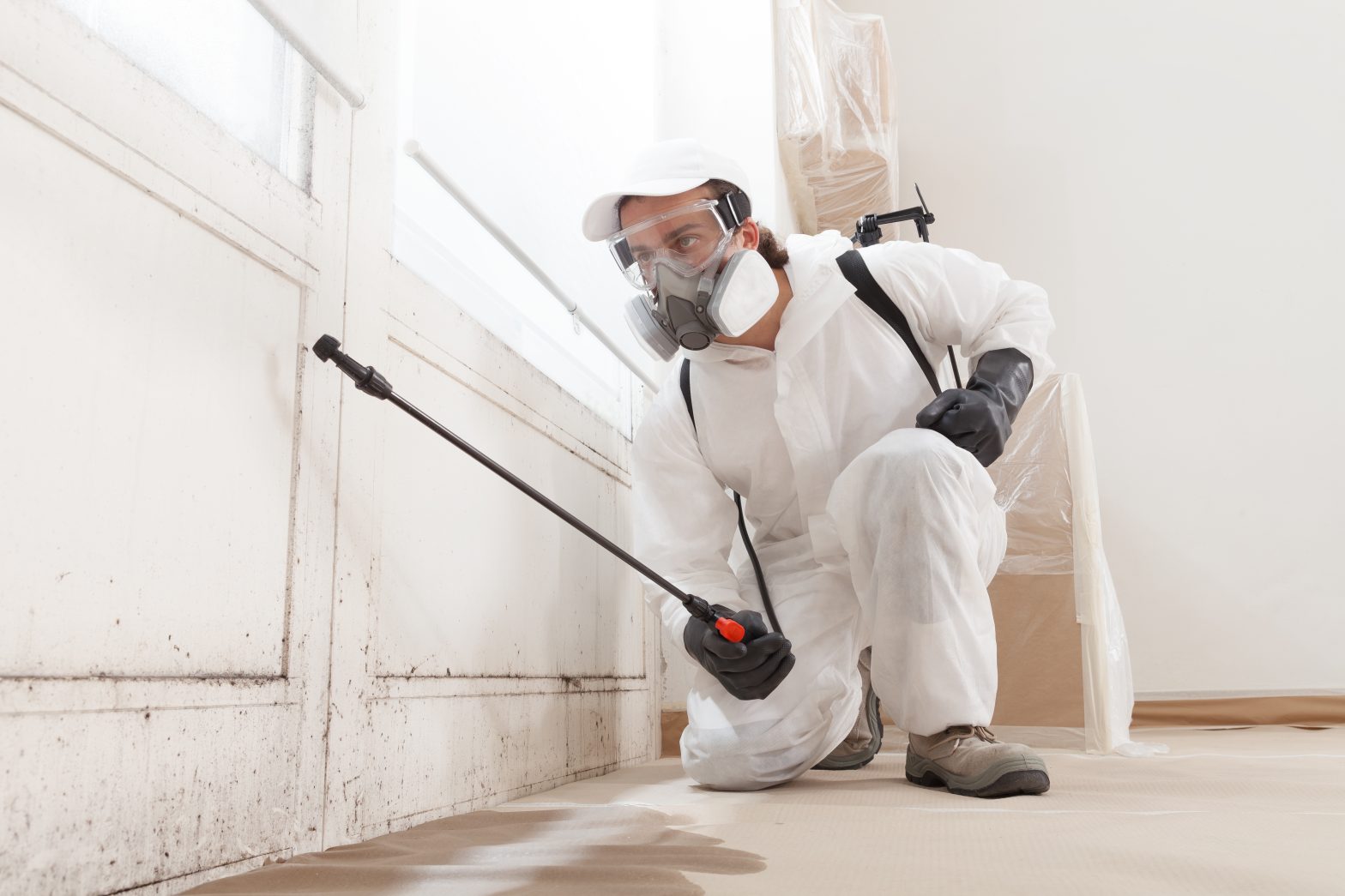
If asbestos is confirmed and removal becomes necessary, professional asbestos abatement services in Ontario can address the material using appropriate containment and removal procedures.
Documentation Helps Reduce Uncertainty
The difference between disclosed and undisclosed asbestos risk is not as simple as whether an older home contains asbestos.
What was known, what could reasonably be identified, what was communicated, and the nature of the condition can all affect an Ontario real estate transaction. Professional assessment and documented laboratory results provide clearer information, but a qualified Ontario real estate lawyer should address legal questions about disclosure.
Air Doctors provides residential asbestos inspection, sampling, and removal services for Ontario homeowners. For a broader look at how asbestos and mould concerns fit into buying, selling, renovating, and property damage, read our Older Home Risk Framework.

Locations We Serve
© 2026 Air Doctors Inc. | Marketed By MacRAE'S -Local SEO Company