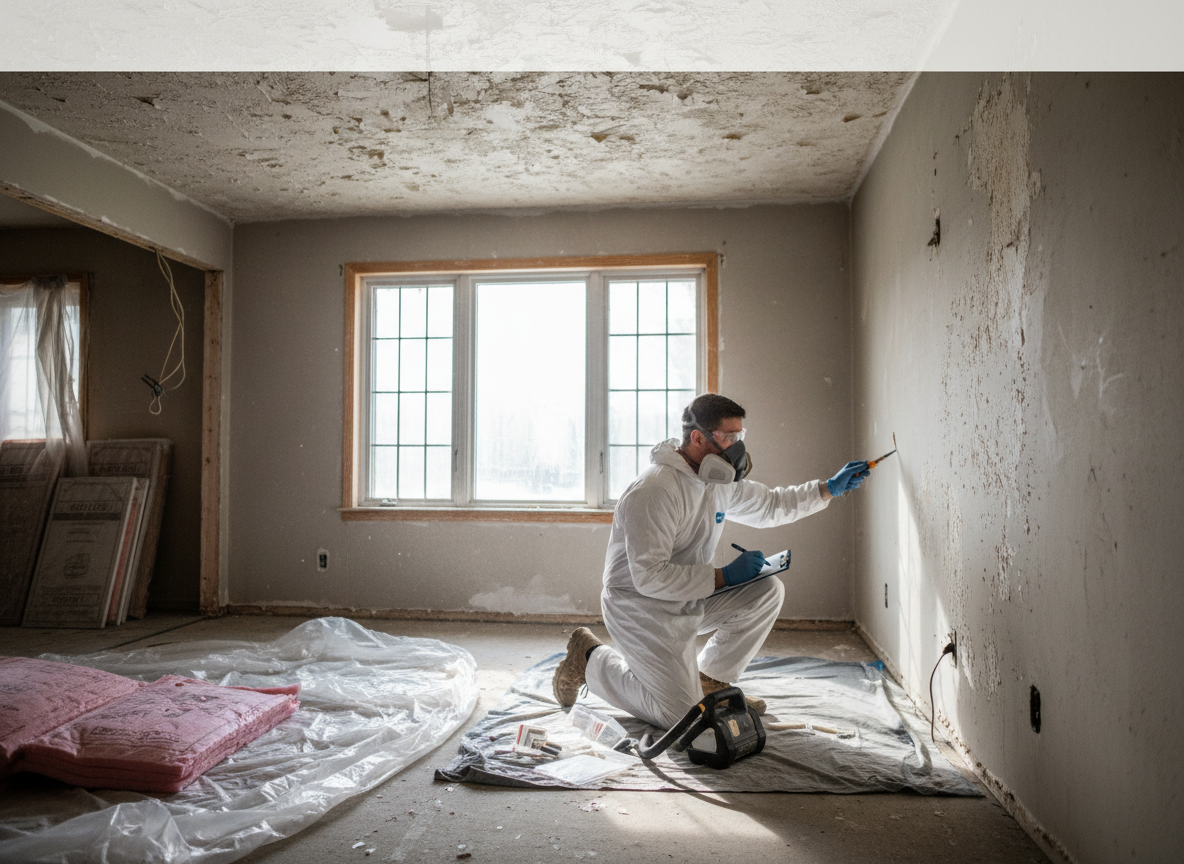
Renovating an older home often brings unexpected discoveries behind walls, ceilings, and flooring. Many residential properties in Oshawa built before 1990 may contain older building materials that include asbestos. Before demolition or upgrades begin, proper identification of these materials is important for maintaining a safe renovation environment.
Professional asbestos testing in Oshawa helps homeowners understand what materials are present before construction starts. This process supports renovation planning, helps maintain indoor air quality, and ensures projects move forward with fewer disruptions.
People Also Ask (PAAs)
What is the difference between asbestos sampling and asbestos testing?
Asbestos sampling involves carefully collecting material samples from suspected areas within a home. The collected samples are then sent to an accredited laboratory, where the actual asbestos testing and analysis are completed.
Why is asbestos testing important before renovation projects?
Older building materials may contain asbestos that cannot be identified visually. Testing before renovations helps prevent accidental disturbance, supports cleaner indoor air quality, and ensures that renovation debris is handled in accordance with local disposal requirements.
Understanding the Role of Asbestos Testing for Older Homes
Many homes in Oshawa and nearby residential communities were built with materials that were commonly available decades ago.
These materials may include:
- Vermiculite insulation
- Textured or popcorn ceilings
- Vinyl flooring and adhesives
- Pipe insulation
- Drywall compounds
At the time, these materials were valued for durability and heat resistance. However, visual inspections alone cannot confirm whether asbestos is present. Materials that appear similar may contain different components.
This is why laboratory verification remains an important part of renovation planning for residential properties.
Local Regulations and Residential Compliance
Provincial guidelines establish safe handling practices for older building materials during renovation projects. While residential homes are not industrial sites, following these standards helps maintain a cleaner and safer renovation process.
Professional asbestos testing in Oshawa helps homeowners:
- Identify materials before demolition begins
- Reduce unexpected project interruptions
- Support proper waste handling requirements
- Maintain safer indoor conditions during renovations
Early assessment also helps contractors plan work more efficiently, especially during larger home upgrades.
Why Unverified Renovations Require Asbestos Testing
Renovation work often involves cutting, scraping, sanding, or removing existing materials. If older materials contain asbestos, these activities may release microscopic particles into the air.
Maintaining clean indoor air quality is especially important during residential renovations, when families continue to live in nearby areas of the home.
Knowing what materials are present before construction starts helps prevent accidental disturbance and supports a more controlled renovation process.
Navigating Local Waste Disposal Requirements
Municipal waste facilities often have strict requirements for handling renovation materials from older homes.
Standard household waste collection may not accept unverified debris from materials suspected of containing asbestos. Proper laboratory documentation helps homeowners meet disposal requirements more smoothly and responsibly.
This step also helps avoid delays during the cleanup and disposal stages of the renovation project.
The Framework: How Sampling Supports Asbestos Testing
Air Doctors complete the professional collection of material samples during residential inspections. An accredited independent laboratory then performs the actual asbestos testing.
This process includes:
- Careful material collection from suspect areas
- Secure handling of samples
- Submission to a certified laboratory for analysis
- Detailed laboratory reporting
Separating sampling from laboratory testing helps ensure unbiased and reliable results for homeowners.
Controlled Material Collection Methods
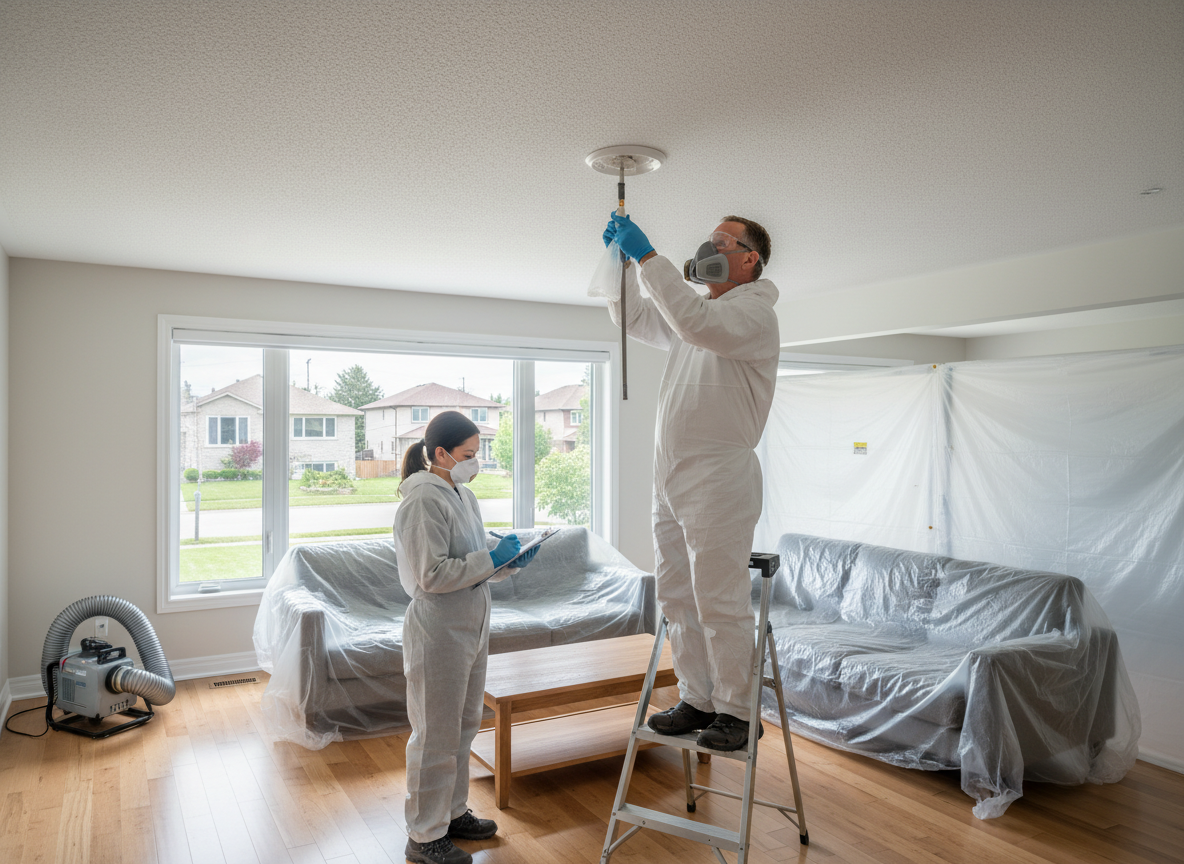
Sampling is completed using controlled methods designed to minimize dust inside the home.
The process may involve:
- Light wetting techniques
- Small sample collection from drywall, insulation, or flooring
- Localized containment measures
- Careful cleanup after collection
These steps help maintain cleaner indoor conditions during the visit.
In many cases, laboratory reports are returned within a few business days, allowing homeowners to continue planning renovation schedules with greater confidence.
Moving from Laboratory Results to Asbestos Removal
Once the laboratory analysis is complete, the report identifies whether regulated asbestos-containing materials are present.
If results are clear, standard renovation work may proceed without additional precautions. If asbestos is identified, the next phase involves planning for asbestos removal in Oshawa homes using controlled procedures.
The removal approach depends on:
- Material condition
- Material location
- Extent of affected areas
- Accessibility within the home
Professional removal projects often involve HEPA filtration systems, negative air machines, and controlled containment measures to help keep the rest of the home clean during work.
Following removal, final cleanup and air clearance procedures help prepare the area for rebuilding and renovation activities.
Also Read:
Does Cold Weather Affect Asbestos Removal Projects
Asbestos Removal vs Asbestos Encapsulation in Canadian Homes
How Asbestos Clearance Testing Works for Homes in the Durham Region
Preparing Homes for Safe Renovations
Before demolition or remodelling begins, identifying potential asbestos-containing materials helps prevent unnecessary complications later in the project.
Professional sampling combined with certified laboratory analysis provides homeowners with a clearer path forward for safe renovations.
Homeowners planning upgrades in older residential properties can contact Air Doctors to maintain a safer home environment.


Locations We Serve
© 2026 Air Doctors Inc. | Marketed By MacRAE'S -Local SEO Company