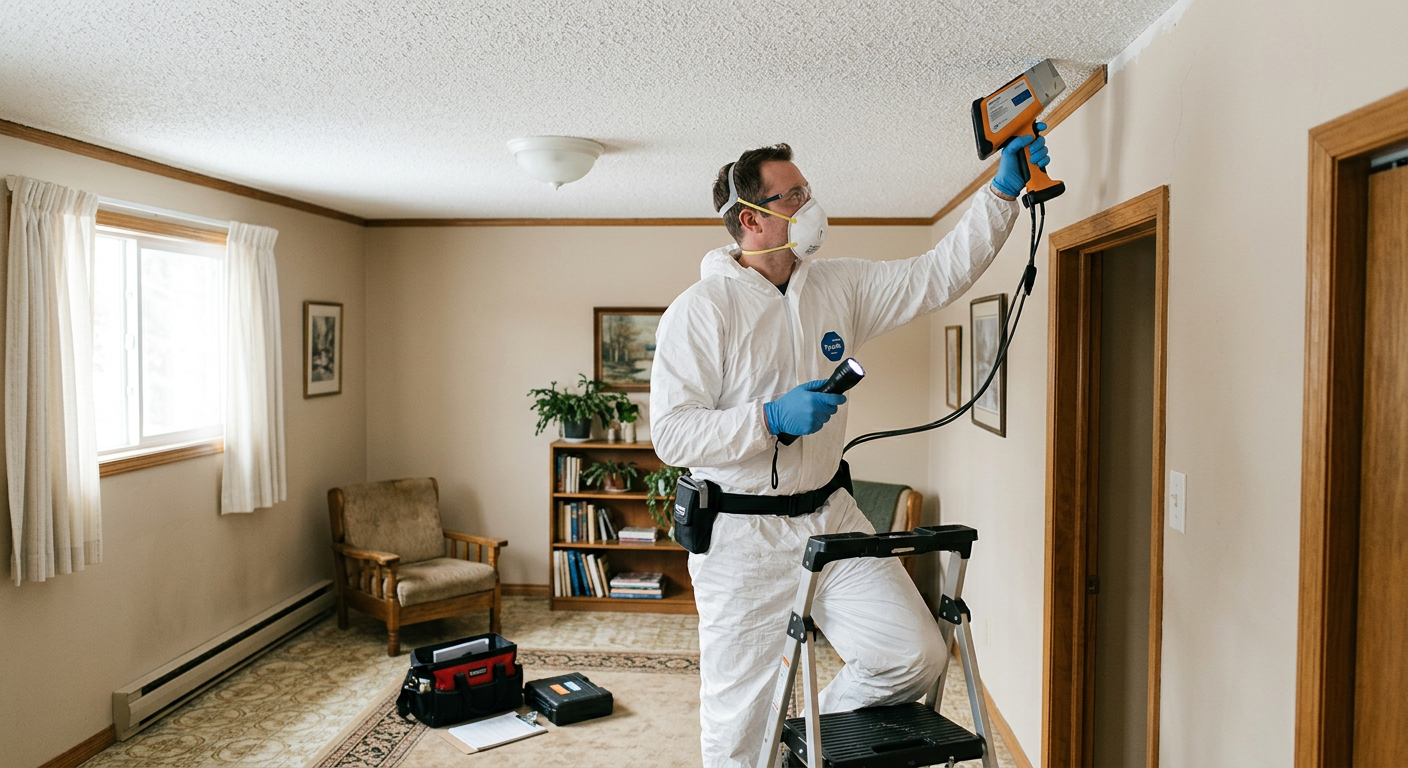
Older homes across regions like Scarborough, Oshawa, and Cobourg often contain building materials that may include asbestos. These materials were widely used for insulation, flooring, and ceilings.
When left undisturbed, they may not pose an immediate risk. However, damage or renovation can release fibres into the air. This makes it important to understand the difference between asbestos removal and asbestos encapsulation in Canadian homes.
People Also Ask (PAAs)
What is the difference between asbestos removal and encapsulation?
Asbestos removal involves completely removing asbestos-containing materials from a property. Encapsulation seals the material in place to prevent fibre release without removing it.
Is asbestos encapsulation safe for homes?
Encapsulation can be safe when materials are stable and undisturbed. However, professional sampling and assessment are necessary to confirm suitability.
Understanding Asbestos in Older Canadian Homes
Homes built before the 1990s in areas such as Markham, Durham, and Newmarket may contain asbestos in:
- Popcorn ceilings
- Vermiculite insulation
- Vinyl floor tiles
- Pipe insulation
Asbestos becomes a concern when fibres become airborne. This often happens during renovation, water damage, or deterioration.
What Is Asbestos Removal?
Asbestos removal involves physically taking out all asbestos-containing materials from a home. This process includes:
- Sealing the work area
- Using controlled removal methods
- Safe disposal at approved facilities
Removal eliminates the source entirely. It is often considered for long-term safety and future renovations.
What Is Asbestos Encapsulation
Encapsulation involves covering or sealing asbestos-containing material so fibres cannot escape. This is done using specialized coatings or barriers.
Common methods include:
- Applying sealants to bind fibres
- Installing protective coverings over materials
- Creating airtight enclosures
Encapsulation keeps the material in place but reduces the risk of fibre release.
Key Differences Between Removal and Encapsulation
The following points explain how each approach works.
- Permanence: Removal eliminates asbestos permanently. Encapsulation manages it in place.
- Cost Considerations: Encapsulation is often less expensive initially. Removal may involve higher upfront costs.
- Future Flexibility: Removal allows future renovations without restrictions. Encapsulation may limit future work.
- Risk Management: Removal removes the source. Encapsulation reduces exposure risk when materials remain stable.
When Removal Is Often the Safer Option
Asbestos removal services are typically considered when:
- Materials are damaged or deteriorating
- Renovation or demolition is planned
- Asbestos is located in high-traffic areas
- Repeated exposure risk exists
Homes in Sunderland or Beaverton undergoing upgrades may benefit from removal to avoid future disruption.
When Encapsulation May Be Considered
Encapsulation may be suitable when:
- Materials are intact and stable
- The area is rarely disturbed
- Immediate removal is not practical
- Budget constraints exist
This approach can provide a controlled, short- to medium-term solution when conditions remain stable.
Also Read:
What Does Asbestos Look Like? And How to Identify It
The Hidden Risks of Living Around Undisturbed Asbestos
When Does Aging Roofing Materials Become Dangerous? Signs Highlighting the Need for Asbestos Removal
The Role of Professional Asbestos Inspection
Choosing the appropriate approach requires careful evaluation. Each approach serves a specific purpose depending on the condition and future plans for the home. For homeowners in Scarborough, Durham, and Cobourg, professional sampling and guidance help ensure safe and informed decisions.
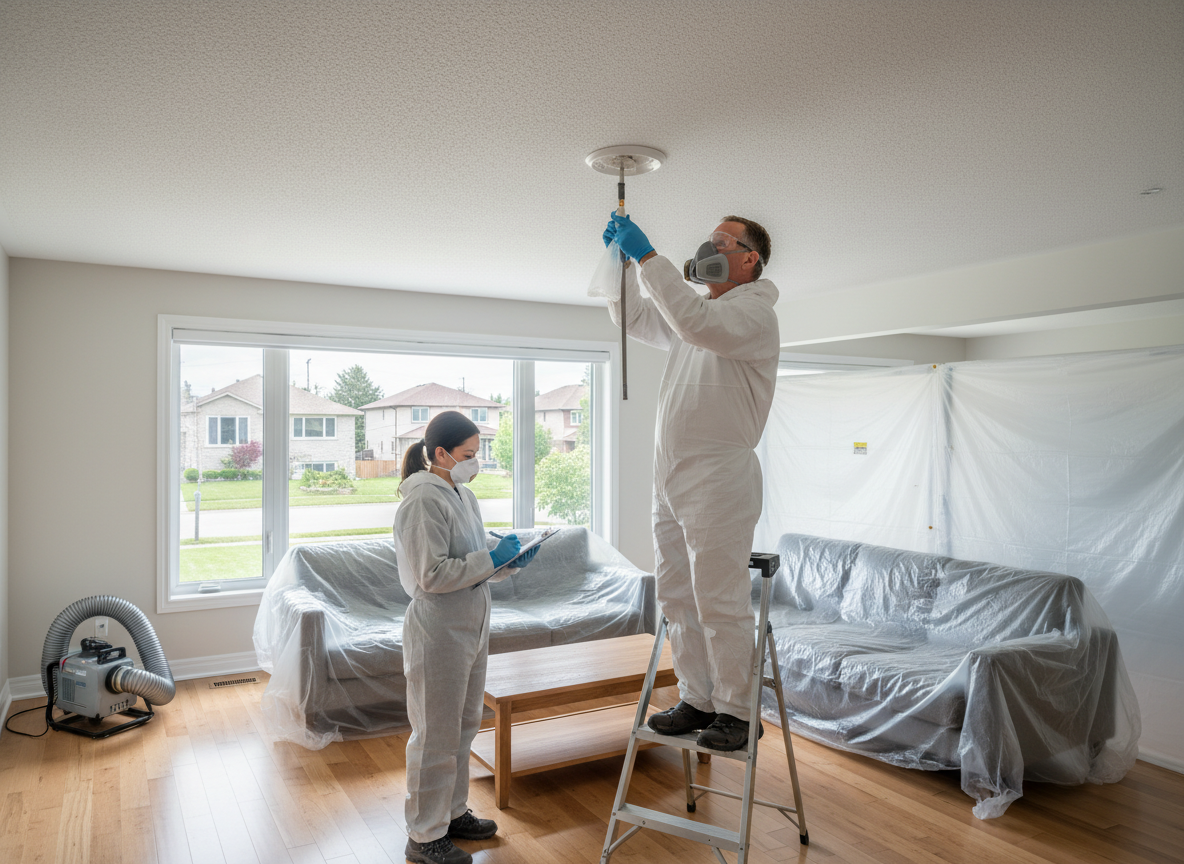
A clear understanding of the material condition is essential. Air Doctors conducts asbestos sampling in residential properties across Woodbine, Oshawa, and surrounding communities. A certified laboratory then analyzes the collected samples.
This process helps determine:
- Whether asbestos is present
- The condition of the material
- The level of potential risk
Accurate sampling ensures that decisions between removal and encapsulation are based on verified information.
Professional assessment supports informed decisions about asbestos management in residential properties. Contact Air Doctors for an accurate assessment and schedule a professional asbestos inspection.



Locations We Serve
© 2026 Air Doctors Inc. | Marketed By MacRAE'S -Local SEO Company