Musty odours, damp areas, and visible discolouration inside a home often raise concerns about indoor air quality. In many residential properties, homeowners are often unsure whether professional sampling or full remediation is the right next step.
Understanding the difference between mould testing and mould removal services helps homeowners choose the most appropriate solution for their property’s condition.
Diagnostic Clarity vs. Physical Eradication
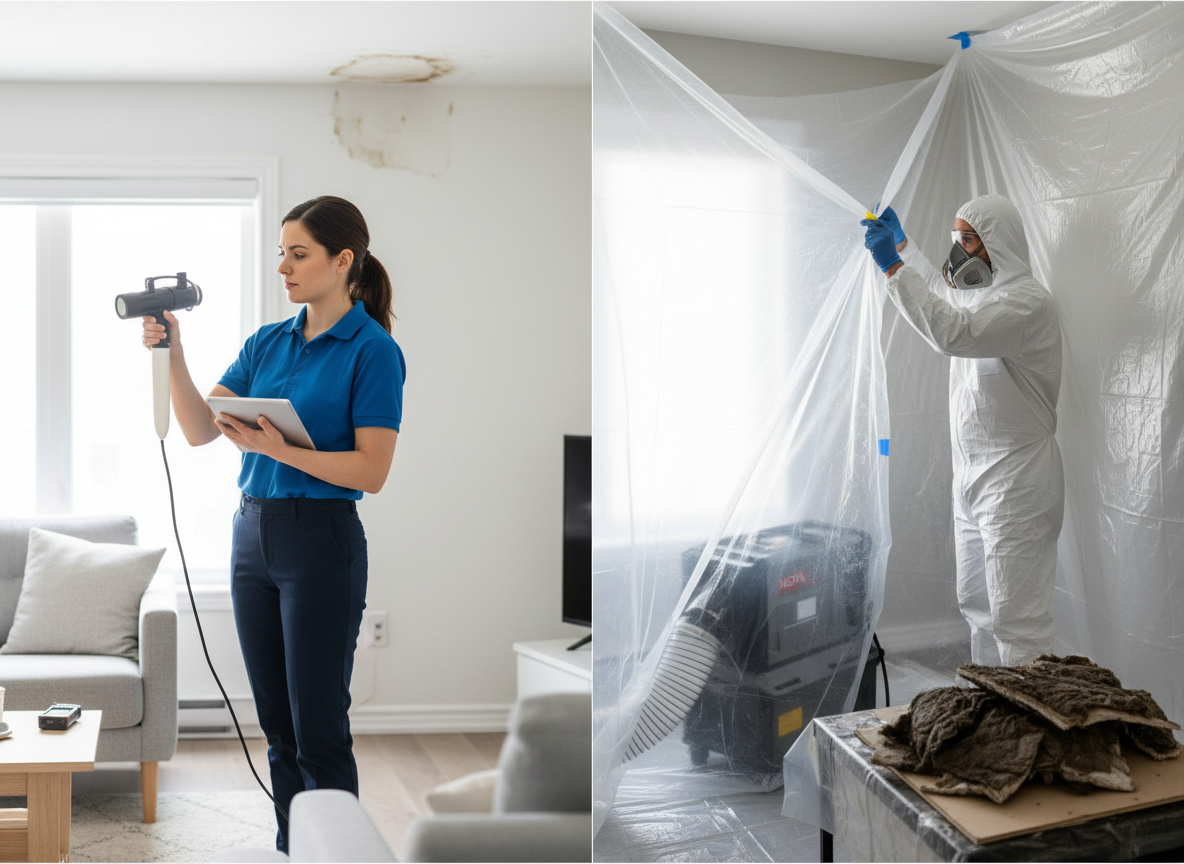
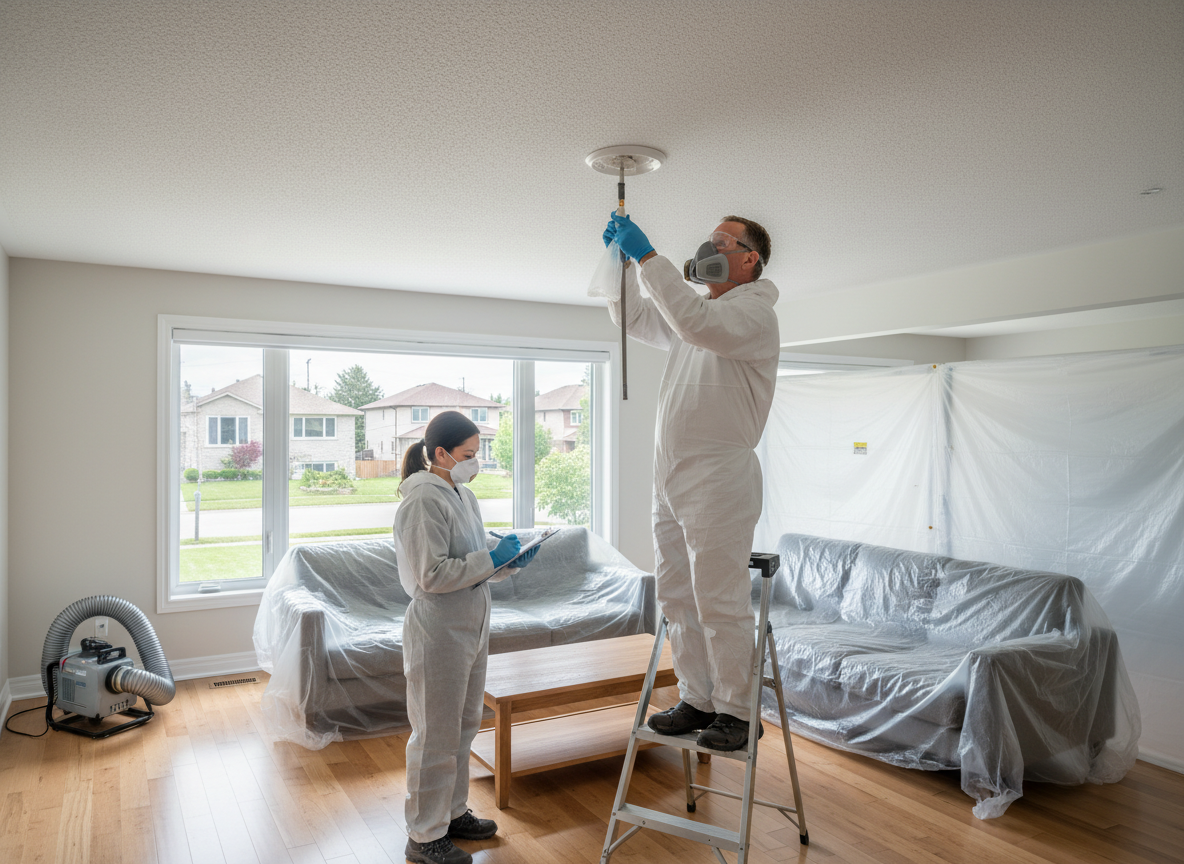
Professional mould testing services focus on identifying indoor mould concerns through air and surface sampling. Samples are collected by trained professionals and sent to a certified laboratory for analysis. The laboratory determines spore types and concentration levels.
This process provides:
- Laboratory documentation
- Identification of hidden indoor air concerns
- Insight into moisture-related conditions
In comparison, mould removal services focus on physically removing affected materials and controlling contamination inside the home.
Removal may involve:
- HEPA vacuuming
- Antimicrobial treatments
- Containment barriers
- Disposal of contaminated materials
Testing provides information about the issue. Removal addresses the physical problem itself.
Homes with unexplained odours or possible hidden contamination may benefit from sampling first. Visible growth or confirmed moisture damage often requires immediate remediation.
Addressing the Root Cause of Household Moisture
Moisture is one of the most common drivers of mould growth in residential properties.
Professional sampling can help confirm whether damp conditions are contributing to indoor air concerns. During inspections, technicians may identify:
- Condensation-prone areas
- Elevated humidity levels
- Water intrusion concerns
- Damp building materials
However, testing itself does not correct the issue.
Mould removal services actively address the affected environment through:
- Drying procedures
- Dehumidification
- Removal of contaminated materials
- Treatment of impacted surfaces
The decision often depends on whether the property requires a diagnosis or immediate corrective action.
Cost and ROI: Budgeting for Mould Removal Services vs Initial Sampling
Professional mould testing services generally involve predictable costs tied to air or surface sample collection and laboratory analysis.
These services are often chosen for:
- Real estate transactions
- Indoor air quality concerns
- Early-stage investigations
In contrast, removal services vary depending on:
- Size of the affected area
- Moisture severity
- Containment requirements
- Material disposal needs
Remediation projects may involve:
- Air scrubbers
- Protective containment systems
- HEPA filtration equipment
While testing provides valuable documentation, remediation helps protect the home’s long-term condition.
Untreated mould can contribute to:
- Structural deterioration
- Ongoing moisture damage
- Reduced property value
For many homeowners, the long-term value of remediation lies in preserving the condition of residential building materials.
Home Remediation Timelines: Immediate Action vs Laboratory Results
Professional sampling is typically completed during a short site visit. Samples are then submitted to a certified laboratory for analysis, which may require additional processing time.
This approach works well when:
- Visible growth is limited
- Indoor air concerns are uncertain
- Documentation is required before work begins
Removal services usually involve a more structured timeline.
The process may include:
- Containment setup
- Negative air pressure installation
- Removal and cleaning
- Drying and treatment
- Clearance procedures
Homes with visible water damage or active mould growth may require quicker physical intervention.
Testing establishes a scientific baseline, while removal focuses on resolving the issue directly.
Vendor Selection: Sampling Providers vs Laboratory Analysis
One important distinction concerns the roles of the sampler and the laboratory.
Air Doctors conducts:
- Professional mould sampling
- Residential mould removal services
Certified laboratories complete:
- Scientific testing
- Sample analysis
- Laboratory reporting
This separation ensures accurate laboratory evaluation while allowing homeowners to work with a local residential service provider.
Some homeowners choose separate vendors for diagnostics and remediation. Others prefer a more streamlined process in which one provider manages sampling and removal, while laboratory analysis is completed independently.
An integrated workflow can help reduce:
- Communication delays
- Scheduling complications
- Coordination challenges
Also Read:
Top 6 Areas in Your Toronto Home Most Prone to Mould Growth
Pre-Renovation Mould Testing in Toronto: Don’t Start Without This Step
Why Homes With Residential Mould Remediation in Ontario Handle Flooding Better
Verdict: Which Is Right for Residential Projects?
The condition of the property usually determines whether testing or removal is the better option.
Professional testing services may be appropriate when:
- There are musty odours without visible growth
- Indoor air quality concerns are unclear
- Documentation is needed for property transactions
Professional removal services are often necessary when:
- Visible mould growth is present
- Water damage has occurred
- Materials remain damp or deteriorated
Minor staining in dry areas may only require monitoring. Active moisture and visible contamination typically require remediation.
Ignoring indoor air concerns can allow problems to worsen over time. Professional intervention helps create safer, healthier residential environments.
Air Doctors provides professional sampling services and residential mould removal solutions, with laboratory analysis completed through certified testing facilities.
Contact Air Doctors today to schedule professional sampling or comprehensive mould removal services for residential properties.



Locations We Serve
© 2026 Air Doctors Inc. | Marketed By MacRAE'S -Local SEO Company