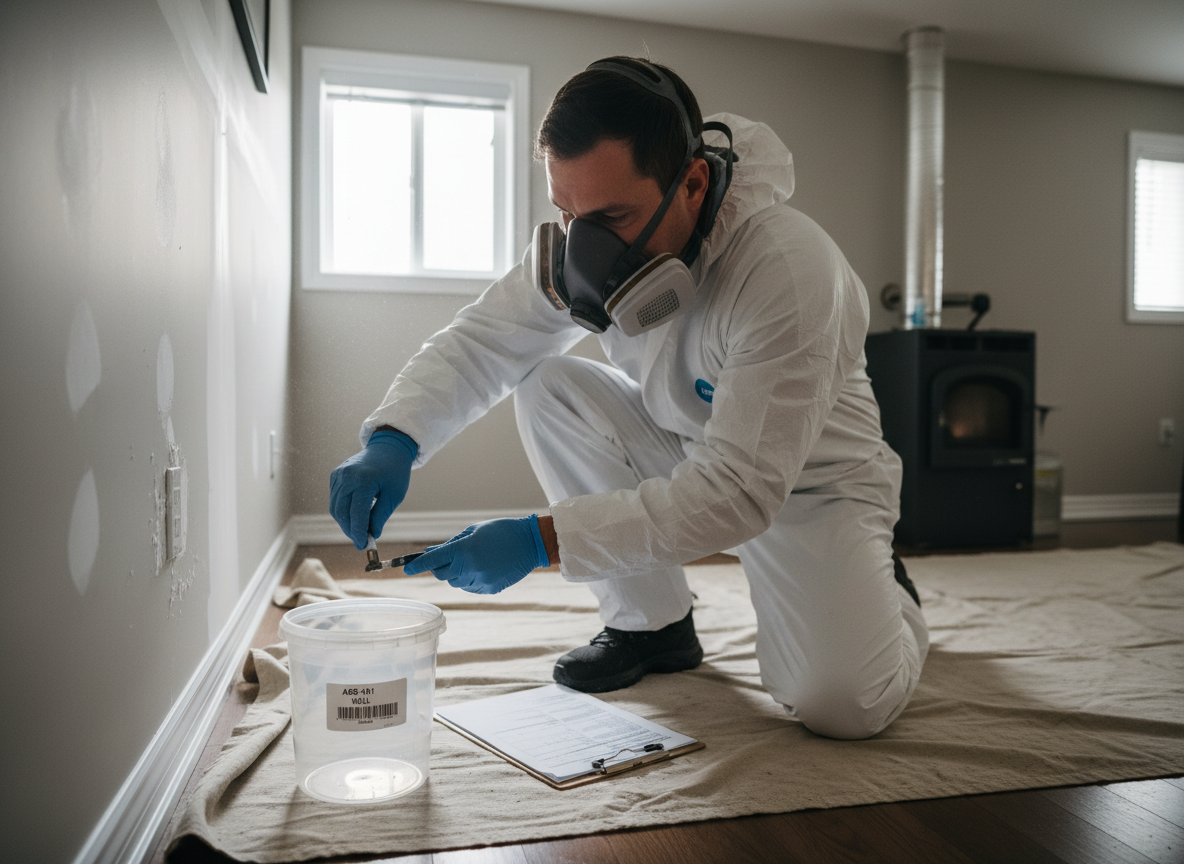
Older homes across Canada often contain building materials installed long before asbestos regulations were clearly defined. The concern usually surfaces during a renovation, a real estate transaction, or routine maintenance planning. At that point, uncertainty replaces confidence.
Without clarity, decisions become harder. Renovation timelines stall. Property purchases face delays. Safety questions remain unanswered. This is why choosing the right asbestos inspection company matters.
The right inspection process provides reliable information early. This allows homeowners and residential property managers to make informed decisions rather than rely on assumptions.
This guide explains how to evaluate an asbestos inspection company in Canada and outlines key factors for residential properties.
People Also Ask (PAAs)
1. What should be checked before hiring an asbestos inspection company?
Licensing, use of accredited laboratories, residential experience, and clear written reporting should be reviewed before booking an inspection.
2. Does an asbestos inspection company perform the testing on-site?
No. The inspection company collects samples, while independent, accredited laboratories perform the asbestos testing and analysis.
Why the Right Inspection Company Matters
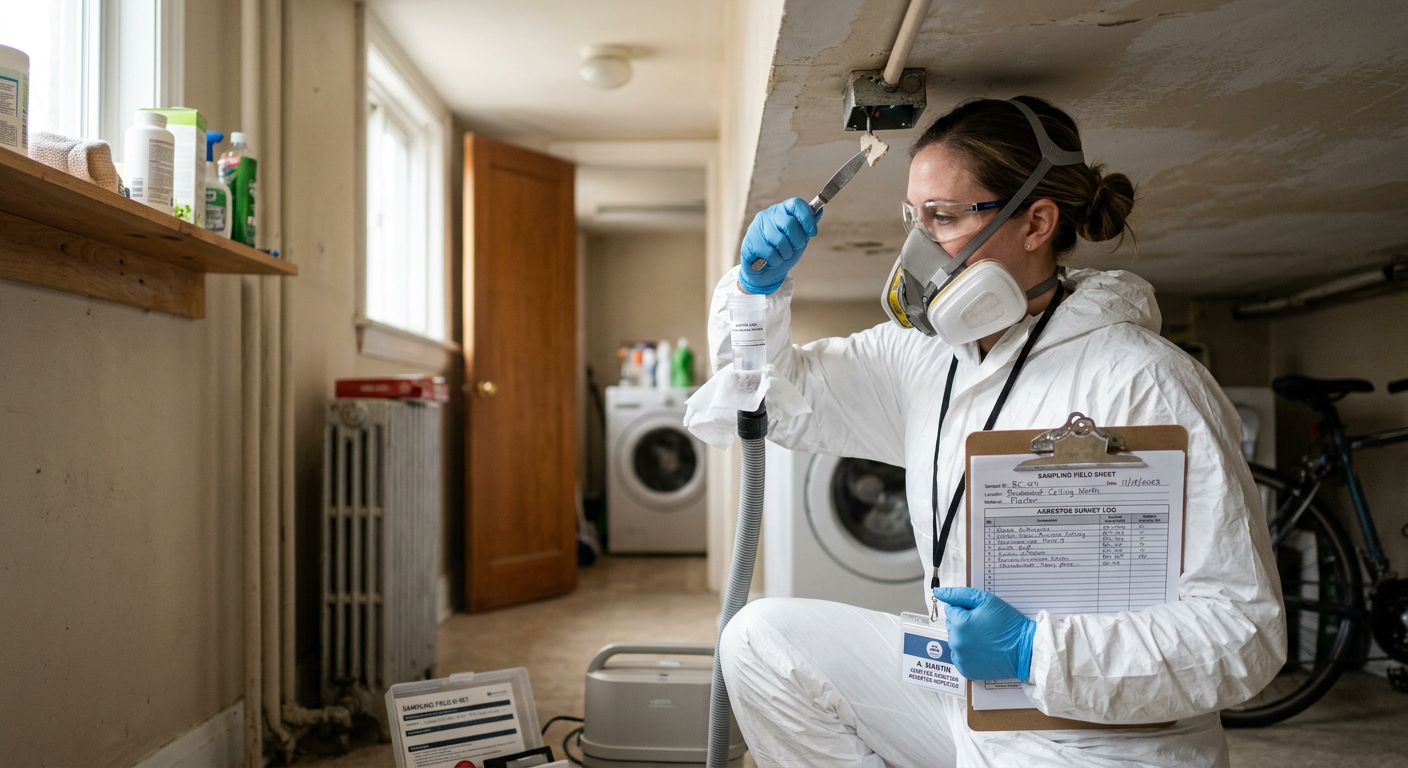
Asbestos inspection is not a visual check or a quick opinion. It is a structured process that involves multiple steps. It starts with identifying suspect materials, collecting representative samples, and submitting those samples to accredited laboratories for analysis.
A reliable asbestos inspection company follows defined procedures, maintains regulatory compliance, and provides documentation. This information supports renovation planning, real estate disclosures, or next steps upon asbestos confirmation. Choosing the wrong provider can result in unclear results, incomplete reports, or unnecessary follow-up costs.
1. Understand What an Asbestos Inspection Really Involves
A common misunderstanding is that asbestos inspections involve on-site testing or instant results. In reality, the process includes several distinct steps.
A proper residential asbestos inspection typically includes:
- Reviewing the age and construction history of the home
- Identifying materials that may contain asbestos
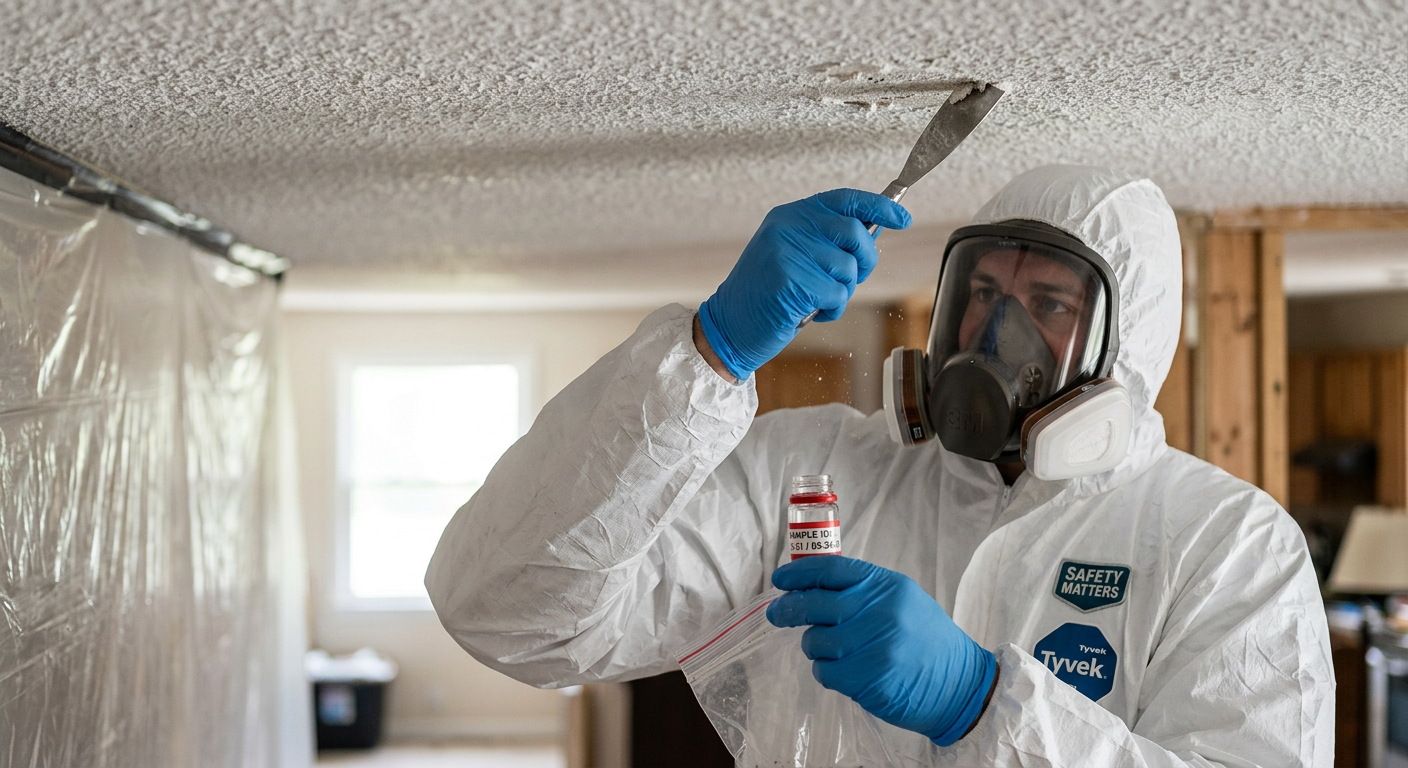
- Safely collecting small material samples
- Submitting samples to an accredited laboratory for analysis
- Providing written results once laboratory testing is complete
Inspection companies do not perform the laboratory testing themselves. Independent laboratories analyze the samples using approved analytical methods. Understanding this separation helps set clear expectations and prevents confusion during the process.
2. Look for Proper Licensing and Certifications
Regulations governing asbestos work vary by province, but professional requirements remain consistent across Canada. An asbestos specialist should meet local licensing requirements and comply with current occupational health and safety regulations.
When evaluating a provider, confirm the following:
- Compliance with provincial asbestos regulations
- Trained personnel authorized to collect asbestos samples
- Knowledge of regulated procedures for residential properties
Licensing confirms that the company understands regulatory obligations and follows approved inspection protocols. This matters when inspection results are necessary for renovation permits or real estate transactions.
3. Ensure the Company Uses Independent, Accredited Laboratories
One of the most important indicators of inspection quality is how laboratory analysis is handled.
A reliable asbestos inspection company:
- Sends samples to independent, accredited laboratories
- Does not perform in-house testing
- Provides documentation that identifies the laboratory used
Accredited laboratories follow standardized testing methods and quality controls. Independent testing removes bias and ensures results can be relied upon for planning, disclosure, or follow-up actions.
If laboratory accreditation is unclear or not disclosed, inspection credibility may be compromised.
4. Experience with Residential Properties Similar to Yours
Residential inspections differ significantly from commercial or industrial assessments. Housing types, building materials, and access limitations vary widely across homes built in different decades.
An asbestos inspection and assessment company with residential experience understands:
- Common asbestos-containing materials found in Canadian homes
- Sampling methods suitable for occupied residences
- Practical considerations during pre-purchase or renovation inspections
Homes in areas such as Scarborough, Markham, Newmarket, Oshawa, Cobourg, and surrounding communities often reflect construction trends from specific periods. Familiarity with these housing styles helps inspectors identify materials efficiently without unnecessary disruption.
5. Clear, Written Reports You Can Use for Renovation or Real Estate Decisions
Inspection results are only helpful if they are clearly documented. A professional asbestos inspection company provides written reports that are easy to interpret and suitable for third-party review.
A complete report should include:
- Sample locations and descriptions
- Laboratory analysis results
- Identification of asbestos-containing materials, if present
- Clear reference to laboratory testing methods
Clear reporting supports communication with contractors, buyers, sellers, and property professionals. Vague summaries or verbal explanations alone do not provide the clarity required for formal decisions.
6. Separation Between Inspection and Removal Services
Transparency matters when selecting an asbestos inspection company. Some providers offer both inspection and removal services. This is allowed, but the roles must remain clearly separated.
Best practice includes:
- Objective inspection findings
- No pressure to proceed with removal
- Clear explanation of available options if asbestos is identified
An inspection should focus on information, not urgency. Clear separation ensures that recommendations remain based on findings rather than outcomes.
7. Questions to Ask Before Booking an Asbestos Inspection
Asking the right questions helps confirm whether an inspection company aligns with residential needs and regulatory expectations.
Helpful questions include:
- How are samples collected and handled?
- Which accredited laboratory performs the analysis?
- What documentation accompanies the results?
- How long do laboratory results typically take?
- Is the inspection process suitable for occupied homes?
Clear answers reflect experience, transparency, and professionalism.
Also Read:
5 Hidden Places Asbestos Might Be Lurking in Your Home
The Hidden Risks of Living Around Undisturbed Asbestos
Asbestos Inspection: A Look into the Whys and Hows of the Process!
How an Asbestos Inspection Company Supports Informed Decisions
An asbestos inspection company does more than collect samples. It provides clarity at moments when uncertainty can delay progress or complicate decisions.
From planning a renovation to managing an older residence, accurate sampling and laboratory analysis form the foundation for the following steps. Reliable information reduces assumptions and supports safer planning without unnecessary disruption.
For those seeking residential asbestos inspection services aligned with regulatory standards, Air Doctors completes professional asbestos sampling and coordinates laboratory analysis through accredited laboratories. Contact Air Doctor to request an asbestos inspection consultation and begin the process with clarity.

Locations We Serve
© 2026 Air Doctors Inc. | Marketed By MacRAE'S -Local SEO Company