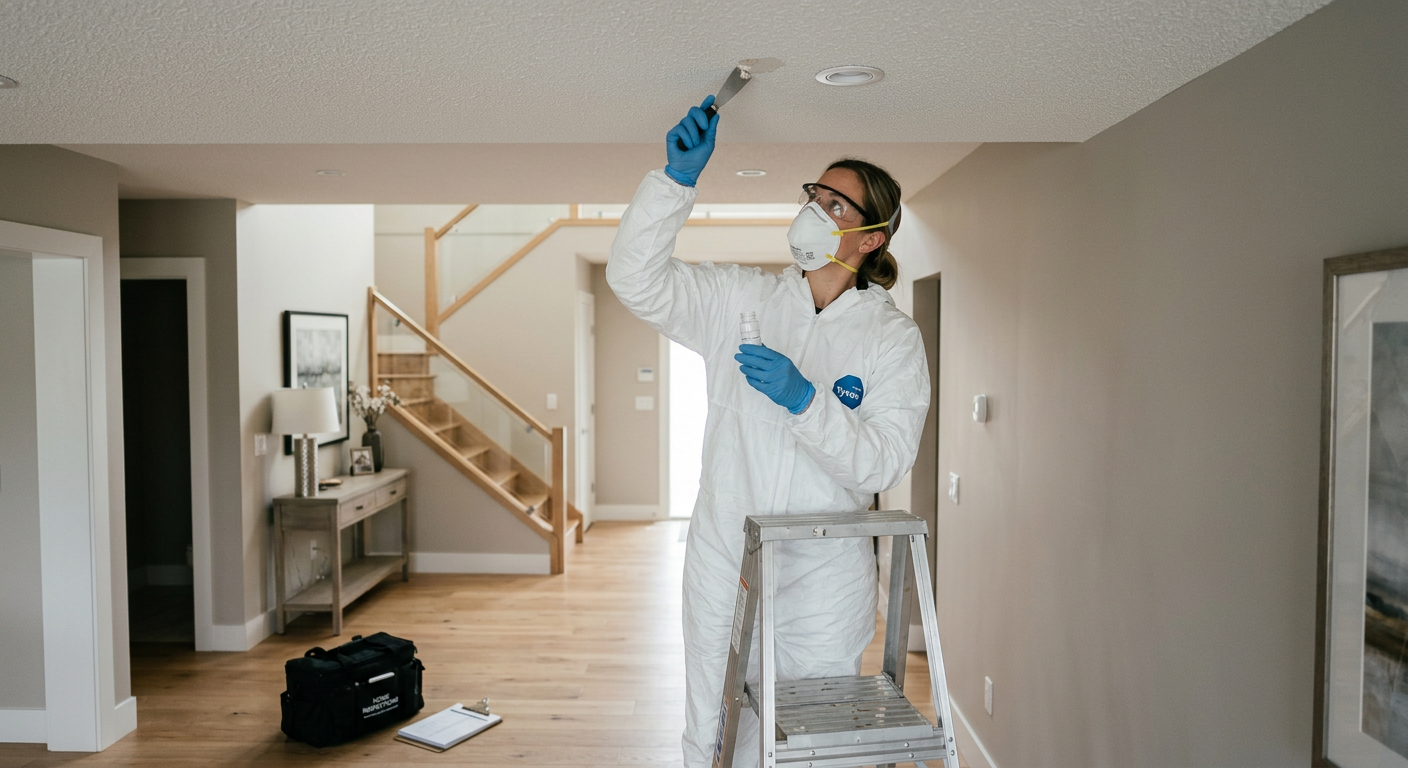
Older homes may still contain asbestos in insulation, ceiling texture, floor tiles, or duct wrap. Many residential property owners face a common question: should an asbestos inspection be preventive or reactive?
Choosing between preventive and reactive asbestos inspection in Canada affects safety, renovation timelines, and long-term planning. A clear understanding of both approaches helps families and residential property managers make informed decisions.
People Also Ask (PAAs)
What is the difference between preventive and reactive asbestos inspection?
Preventive asbestos inspection occurs before renovation or disturbance. Reactive asbestos inspection takes place after damage or suspected disturbance. Both involve professional sampling, with laboratory testing confirming results.
Is asbestos inspection required before renovating an older home in Canada?
In many cases, inspection is recommended for homes built before asbestos restrictions. Sampling identifies potential asbestos-containing materials before demolition or construction begins.
What Is a Preventive Asbestos Inspection?
A preventive asbestos inspection takes place before demolition, renovation, or major repair work. It focuses on identifying materials that may contain asbestos, even if there is no visible damage.
This type of inspection typically includes:
- A visual assessment of suspect building materials
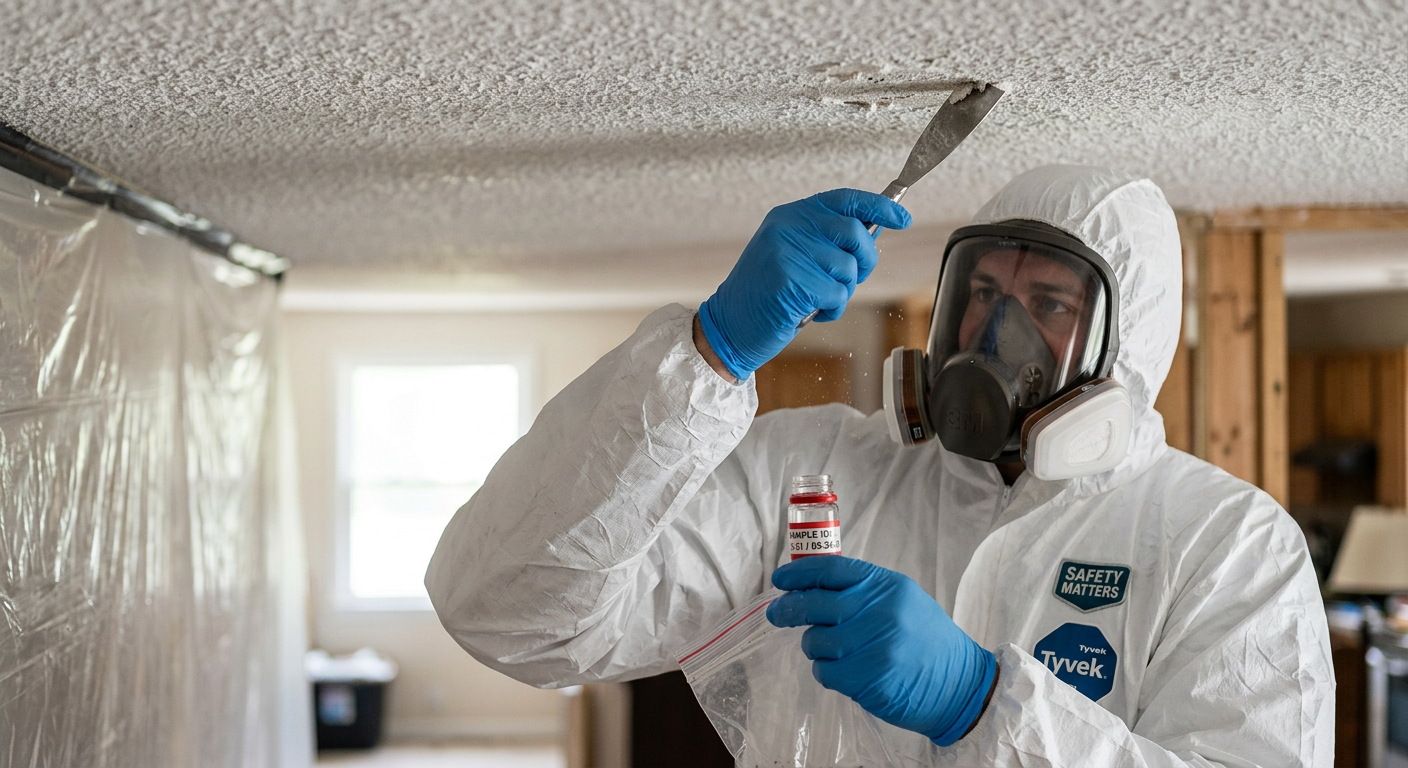
- Careful sampling of materials that may contain asbestos
- Submission of samples to a certified laboratory for analysis
- A written report outlining findings and recommendations
Air Doctors completes professional asbestos sampling. A certified laboratory performs the testing and confirms whether asbestos is present.
Preventive asbestos inspection is common in:
- Homes built before the 1990s
- Basement finishing projects
- Kitchen and bathroom renovations
- Ceiling or flooring replacement
- Property transactions
In residential areas like Scarborough and Markham, many older homes still contain legacy materials. A preventive approach reduces uncertainty before construction begins.
What Is a Reactive Asbestos Inspection?
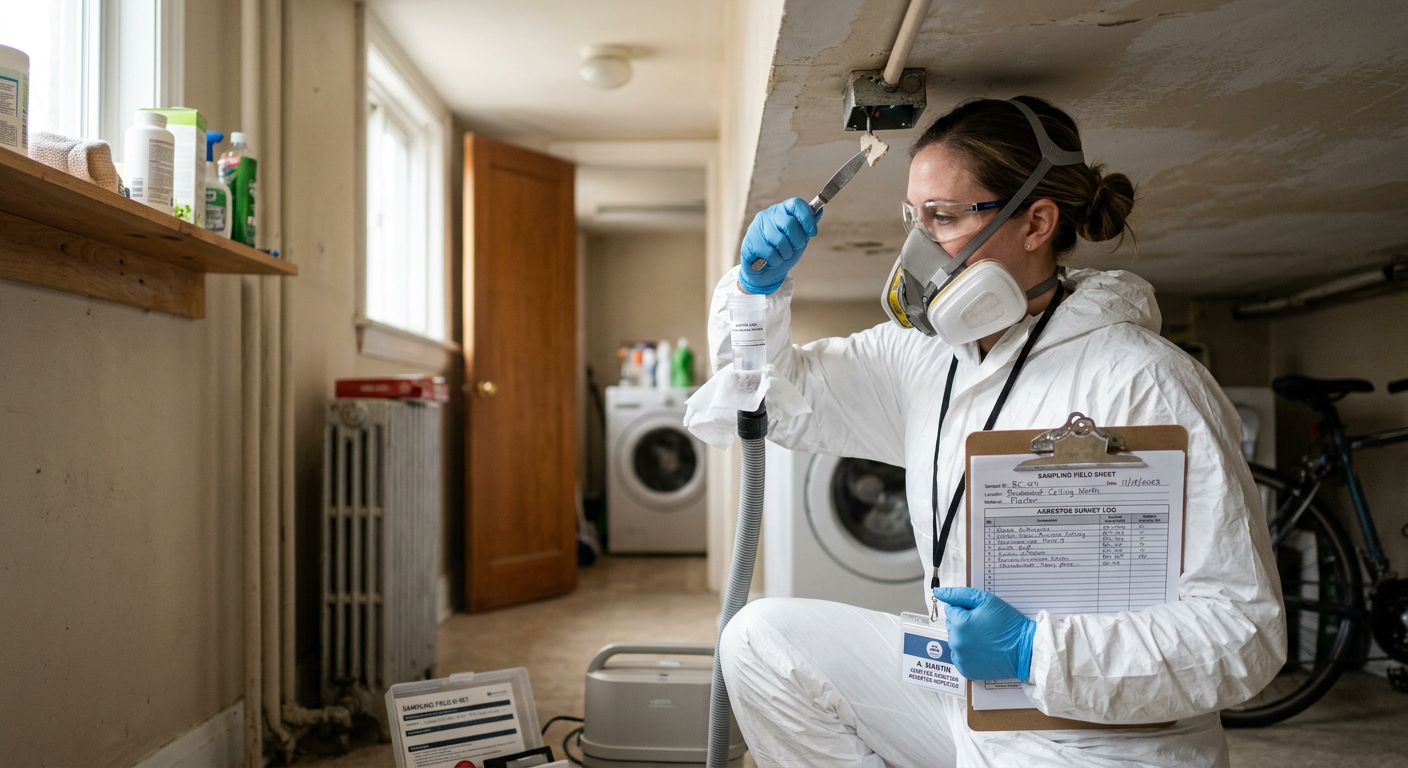
A reactive asbestos inspection happens after a concern arises. This may follow water damage, ceiling collapse, wall demolition, or accidental disturbance of building materials.
Reactive inspections usually occur when:
- Crumbling insulation becomes visible
- The popcorn ceiling is damaged
- Old flooring is removed without prior assessment
- A contractor flags a suspect material during renovation
- A family member raises health concerns
The inspection process remains similar:
- Identify suspect materials
- Conduct controlled sampling
- Send samples to a certified laboratory
- Provide documented results
The difference lies in timing. Reactive inspection responds to a situation already in progress.
In communities such as Oshawa, Durham, and Cobourg, reactive inspections often follow storm damage, aging materials, or unplanned renovations.
Preventative vs Reactive Inspection: Side-by-Side Comparison
| Factor | Preventive inspection | Reactive inspection |
|---|---|---|
| Timing | Before renovation or disturbance | After the material is disturbed or damage occurs |
| Stress level | Planned and controlled | Often urgent |
| Renovation delays | Less likely | More common |
| Health concern | Lower, if handled early | Higher if fibres are already released |
| Budget control | Easier to estimate costs | Costs may increase due to emergency response |
| Peace of mind | High | Restored after the issue is addressed |
Preventive asbestos inspection supports planning. Reactive asbestos inspection addresses an immediate concern.
When Preventive Inspection Makes the Most Sense
Preventive inspection makes practical sense in several residential situations:
1. Before Renovation or Demolition
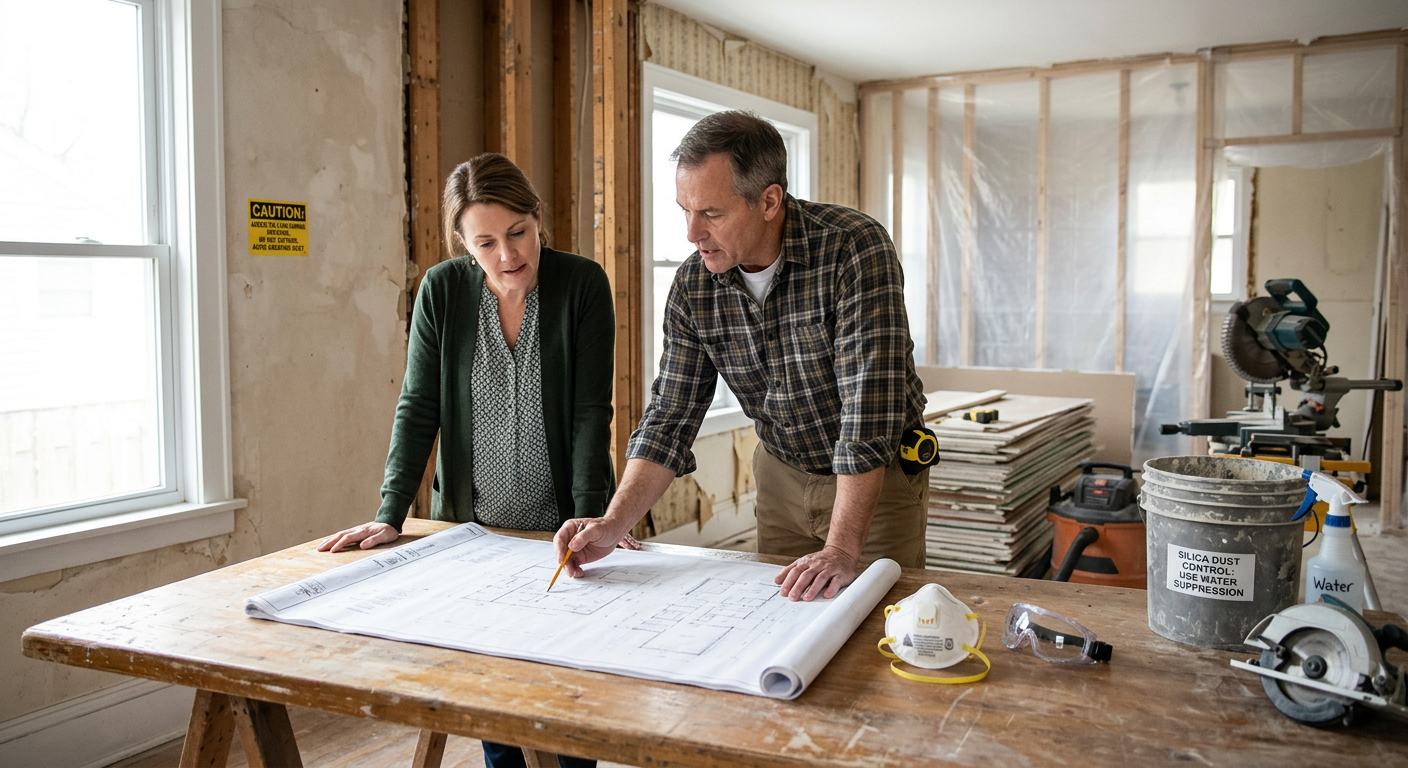
Any project involving walls, ceilings, flooring, or insulation should include an assessment of whether the home was built before asbestos restrictions were enforced.
2. Before Purchasing an Older Home
Residential property managers and homebuyers in Newmarket, Sunderland, or Beaverton often request an inspection before closing.
3. During Long-Term Maintenance Planning
Homeowners and residential landlords may schedule inspections to prepare for future upgrades.
4. After Prolonged Vacancy
Older vacant homes may contain deteriorating materials.
Preventive inspection allows:
- Clear budgeting
- Safer project scheduling
- Reduced disruption to families
When a Reactive Inspection Is Necessary
A reactive asbestos inspection is necessary when disturbance has already occurred.
Common triggers include:
- Water leaks that affect the texture of the ceiling
- Broken pipe insulation
- Renovation work started without prior assessment
- Cracked or damaged drywall
- Emergency repairs
In residential areas like Woodbine or Cobourg, aging infrastructure can lead to sudden material failure.
Reactive inspection focuses on:
- Confirming whether asbestos is present
- Determining the extent of contamination
- Recommending safe removal procedures
A quick response limits the potential spread of fibre within the home.
Health Considerations for Families
Asbestos fibres are microscopic. When disturbed, they may become airborne. Prolonged exposure increases the risk of serious health conditions, including respiratory disease
Health risks depend on:
- Duration of exposure
- Concentration of airborne fibres
- Type of asbestos material
- Whether a disturbance occurred
Preventive inspection reduces exposure risk by identifying materials before disruption. Reactive inspection becomes critical if accidental disturbance has already occurred.
Families in Scarborough, Oshawa, and Durham often seek asbestos inspection services to gain reassurance after renovation projects or damage to ceilings. Proper sampling and laboratory analysis provide clarity. Uncertainty often creates more stress than confirmed results.
Also Read:
How to Choose the Right Asbestos Inspection Company in Canada
Asbestos Inspection: A Look into the Whys and Hows of the Process!
How Thorough Asbestos Inspections Lead to Safe Asbestos Removals
How to Decide Between Preventive and Reactive Asbestos Inspection in Canada
Preventive and reactive asbestos inspection both serve important roles in residential property management across Scarborough, Markham, Oshawa, Durham, Newmarket, Sunderland, Beaverton, Woodbine, and Cobourg.
Preventive inspection supports planning and renovation readiness. Reactive inspection responds when materials are already disturbed. The choice here depends on several factors:
- Age of the Home: Homes built before 1990 are more likely to contain asbestos.
- Renovation Plans: Planned construction strongly supports preventive inspection.
- Visible Damage: Damaged or deteriorating materials may require a reactive assessment.
- Property Management Responsibilities: Residential property administrators must prioritize tenant safety and regulatory compliance.
- Risk Tolerance: Some homeowners prefer certainty before beginning projects.
In many cases, preventive inspection offers more control and fewer surprises. Reactive inspection addresses urgent issues when planning was not possible. Each situation requires thoughtful consideration of safety, timing, and residential use.
Understanding the difference allows families to make informed decisions that prioritize safety and long-term property value. It also helps decide on a proper asbestos inspection company while keeping all the right considerations in mind. Contact Air Doctors for guidance on residential asbestos sampling and inspection.

Locations We Serve
© 2026 Air Doctors Inc. | Marketed By MacRAE'S -Local SEO Company