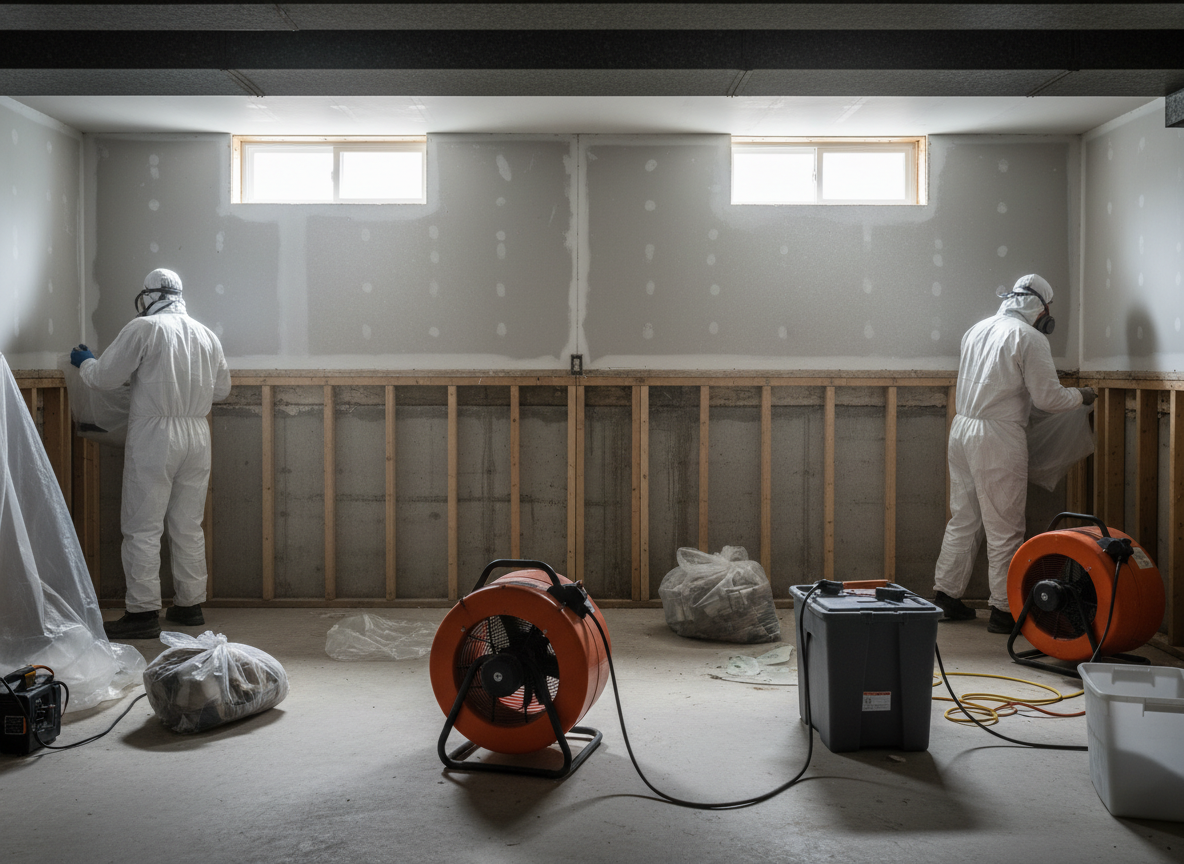
Flooding often exposes hidden weaknesses inside a home. Moisture moves quickly into walls, floors, and insulation, creating conditions that are difficult to manage once water recedes. Homeowners facing these situations often ask, “Which companies provide residential mould remediation in Ontario? The question matters because flooding does not start mould problems; it reveals them.
When mould growth already exists inside a home, flood recovery becomes slower and more complex. Residences that have undergone proper residential mould remediation are less vulnerable. These homes can handle moisture intrusion, dry more efficiently, and reduce long-term damage after flood events.
How Flooding and Mould Are Directly Connected
Flooding and mould share a common trigger: excess moisture. Water entering a home through seepage, storms, or plumbing issues creates conditions that allow mould to develop or spread.
Common moisture-related contributors include:
- Damp building materials that retain water
- Poor airflow in enclosed areas
- Organic materials that remain wet for extended periods
- Previous mould growth that was never adequately addressed
When mould already exists, flooding can reactivate dormant spores and spread contamination to new areas of the home.
What Residential Mould Remediation Addresses Before Flooding Occurs
Residential mould remediation focuses on identifying and removing affected materials while correcting moisture-related conditions. This process improves how a home responds when unexpected water exposure occurs.
Key elements addressed during remediation include:
- Removal of mould-affected drywall, insulation, or finishes
- Cleaning of structural surfaces where mould may persist
- Identification of moisture pathways contributing to growth
- Supportive steps that allow materials to dry more efficiently
By resolving these issues in advance, the home becomes less vulnerable during future flood events.
Why Remediated Homes Dry Faster After Flood Events
Homes that have undergone mould remediation often dry more efficiently after flooding. Materials that previously trapped moisture have already been removed or treated.
This leads to
- Reduced water retention in walls and ceilings
- Fewer hidden damp zones
- Improved airflow through previously enclosed spaces
When drying begins promptly, the window for new mould growth narrows significantly. This supports faster stabilization of indoor conditions.
Improved Indoor Air Quality During Flood Recovery
Flood recovery can strain indoor air quality. Disturbed materials, humidity, and lingering contaminants can affect air conditions during cleanup.
Homes with prior mould remediation benefit from:
- Lower concentrations of airborne mould particles
- Reduced the spread of spores during drying
- Cleaner baseline air conditions before restoration begins
This creates more stable indoor conditions during recovery, especially in occupied residential spaces.
Lower Risk of Secondary Damage After Flooding
Secondary damage often causes greater long-term impact than the initial flood itself. This includes warped materials, odour issues, and concealed mould growth that develops weeks later.
Mould-remediated homes face a lower risk of:
- Recurrent mould development after drying
- Persistent musty odours
- Structural degradation linked to prolonged dampness
By limiting moisture-related vulnerabilities, these homes maintain structural stability more effectively.
How Professional Mould Remediation Supports Flood Preparedness
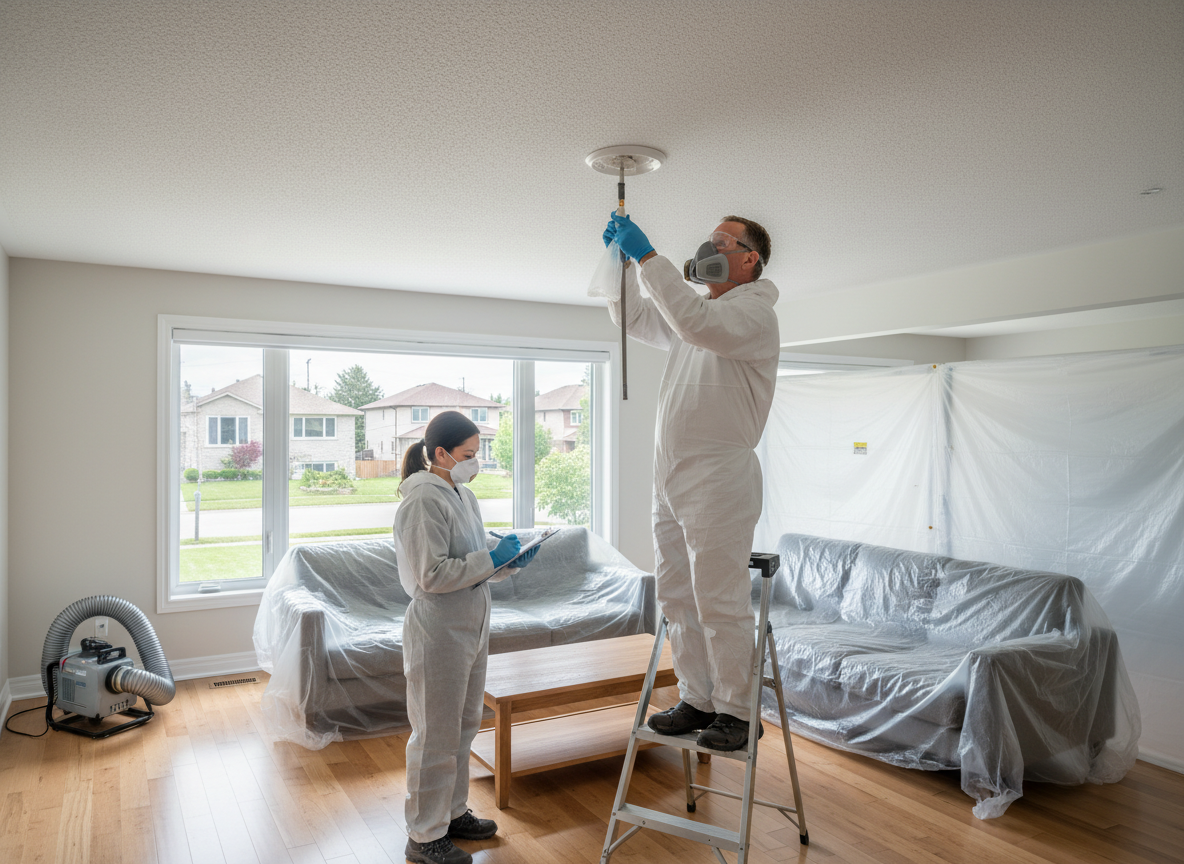
Professional residential mould remediation contributes to flood preparedness by creating a cleaner, drier baseline condition throughout the home. Sampling and assessment help determine where mould concerns exist, while remediation removes affected materials and supports controlled drying.
In residential communities such as Newmarket, Durham, Oshawa, Sunderland, Beaverton, and Cobourg, this approach supports homes exposed to seasonal moisture conditions. Homeowners often research which companies provide residential mould remediation in Ontario as part of broader planning efforts for property maintenance and resilience.
When Homeowners Should Consider Mould Remediation
Mould remediation may be considered when:
- A history of water intrusion exists
- Persistent moisture or odours are present
- Renovations reveal hidden mould-affected materials
- Flooding has occurred previously in the home
Addressing these conditions before another water event reduces uncertainty and improves recovery outcomes.
Also Read:
Top 6 Areas in Your Toronto Home Most Prone to Mold Growth
The Ultimate Mold Prevention Checklist for Toronto Homeowners
Pre-Renovation Mold Testing in Toronto: Don’t Start Without This Step
Mould Remediation as a Flood-Resilience Strategy
Flood resilience is not only about response, but also about preparation. Residential mould remediation supports this goal by strengthening a home’s moisture management, airflow, and material performance under stress.
Homes that enter a flood event with fewer moisture-related vulnerabilities recover faster and with fewer complications. This makes mould remediation a practical, forward-looking step for residential properties across Ontario.
For homeowners seeking structured residential mould remediation support, Air Doctors provides professional services focused on controlled residential environments. Contact Air Doctors to learn more or request a service.



Locations We Serve
© 2026 Air Doctors Inc. | Marketed By MacRAE'S -Local SEO Company