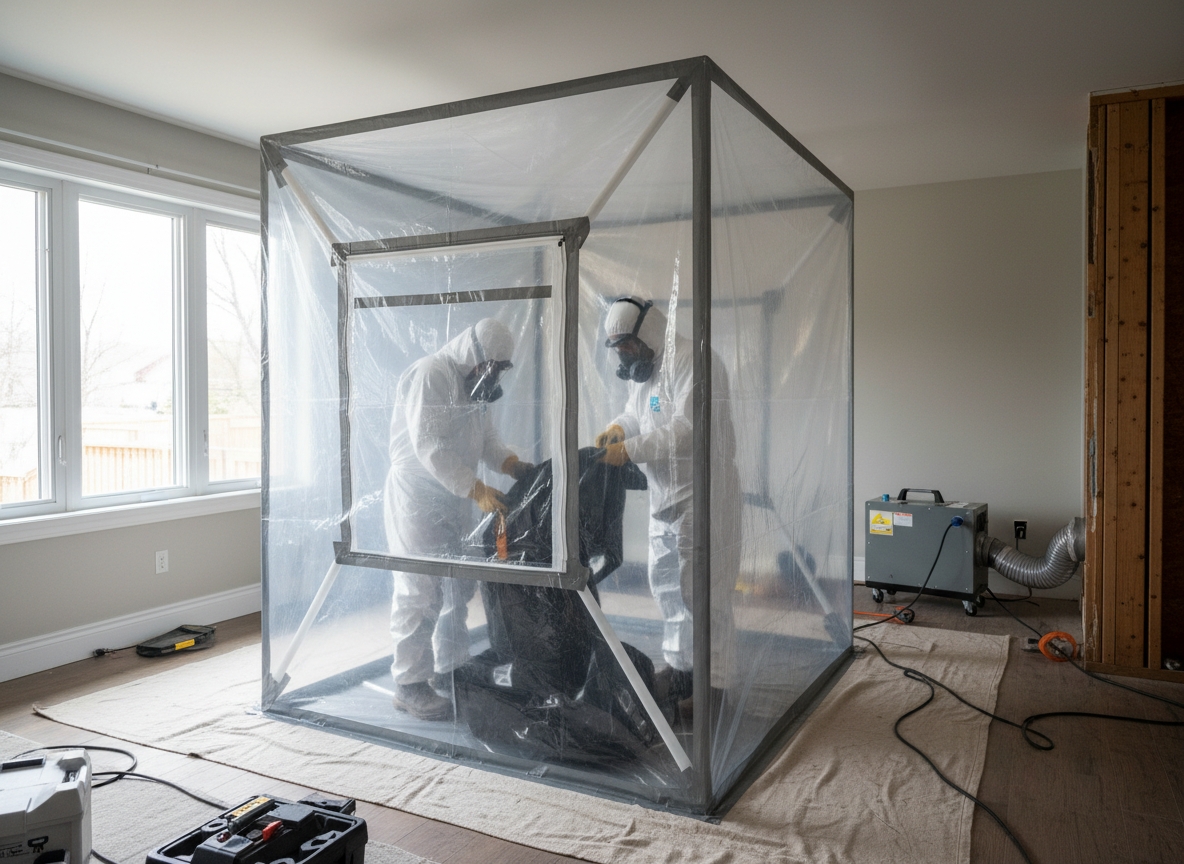
Most homeowners tend to assume that once asbestos is identified, removal is a straightforward task. The reality often becomes clearer when renovation plans pause, timelines stretch, and additional safety measures are introduced. Complete asbestos removal introduces challenges that go far beyond simply removing a material from a home.
These challenges matter because asbestos-related work affects health, scheduling, disposal requirements, and overall project coordination. Without proper planning, removal can disrupt renovations, delay property transactions, and create avoidable stress. Understanding what full asbestos removal truly involves helps residential property owners make informed decisions before work begins.
People Also Ask (PAAs)
1. What makes complete asbestos removal more complex than partial removal?
Full asbestos removal requires strict containment, regulated disposal, and coordinated safety procedures because materials are actively disturbed rather than left in place.
2. Why does asbestos removal affect renovation or home sale timelines?
Asbestos concerns can pause renovations or delay transactions while sampling, laboratory analysis, and removal planning are completed.
What “Full Asbestos Removal” Actually Means in Canada
Complete asbestos removal involves removing asbestos-containing materials from a residential property rather than leaving them in place or encapsulating them. In Canada, this process is regulated at the provincial level and follows strict safety and handling rules
Key considerations include:
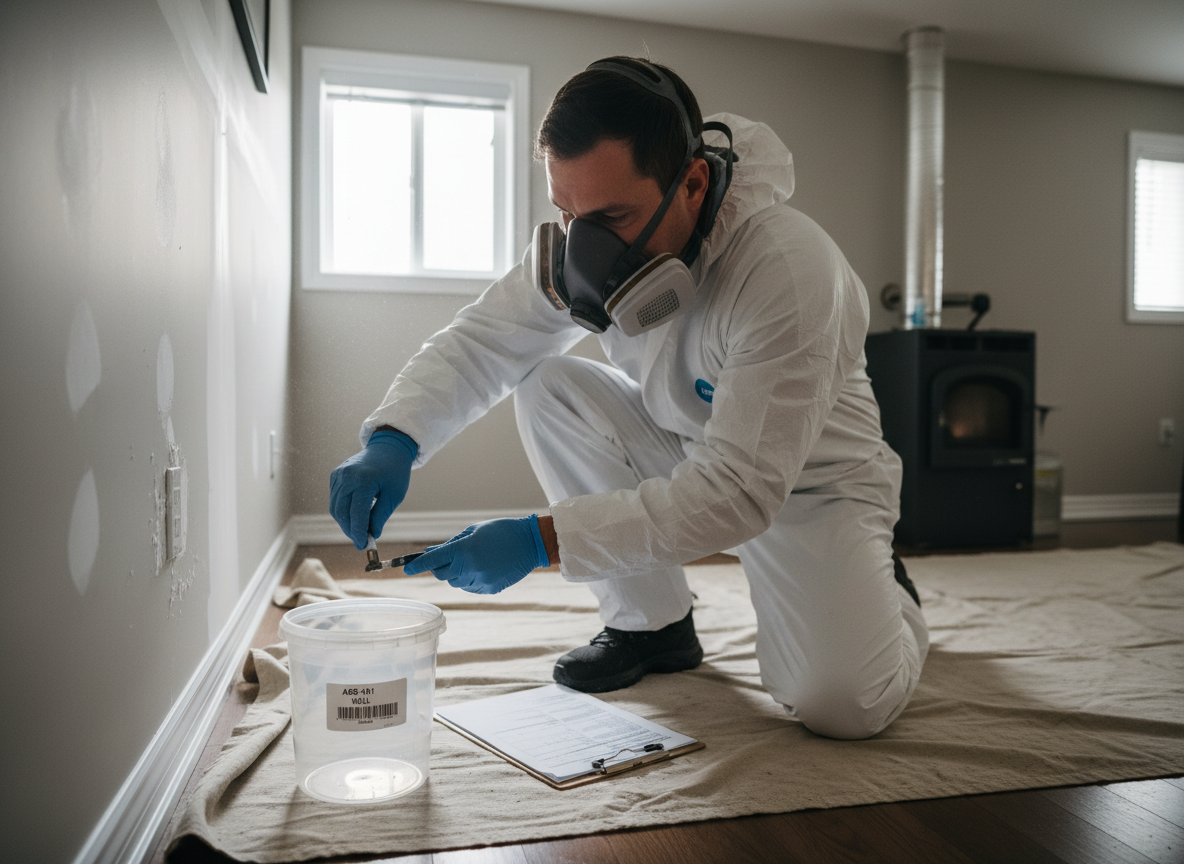
- Identifying asbestos-containing materials through professional sample collection
- Laboratory analysis performed by accredited testing facilities
- Determining the appropriate removal procedure based on material type and condition
- Following regulated containment and disposal protocols
Air Doctors supports this process by collecting samples from residential properties and coordinating next steps once laboratory results are available. Testing itself is completed by independent laboratories, not on-site.
Health and Safety Risks That Increase Project Complexity
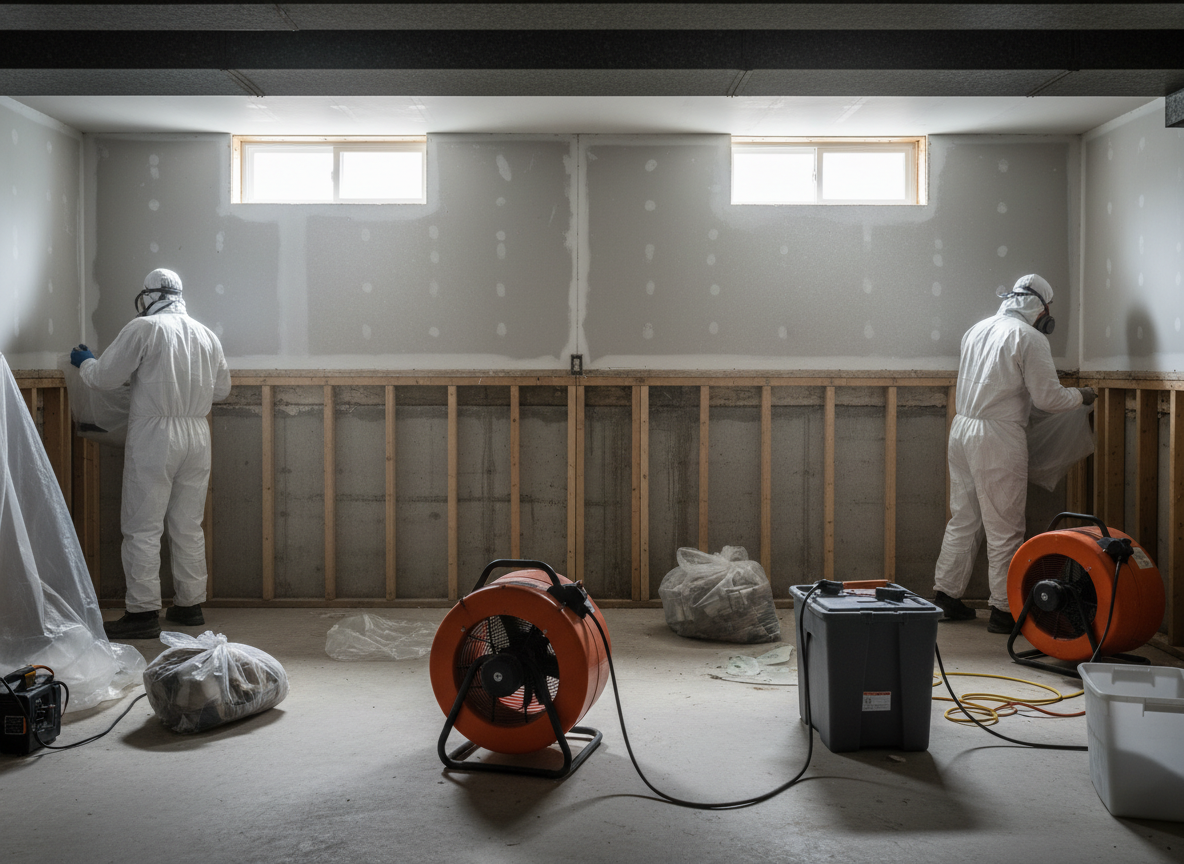
Asbestos becomes hazardous when fibres are disturbed and released into the air. Full asbestos removal increases risk because materials are intentionally handled and removed, requiring multiple layers of protection.
Safety challenges include:
- Preventing fibre release during removal
- Protecting occupants and neighbouring areas
- Ensuring workers follow regulated protective procedures
- Maintaining air quality throughout the process
These precautions are essential in homes where families may still be living on-site or returning shortly after work is completed. Managing health risks correctly adds complexity to every stage of the removal process.
Containment and Logistics Inside Occupied Homes
Residential asbestos removal is rarely performed in empty buildings. Furniture, personal belongings, and daily household routines must be considered.
Common logistical challenges include:
- Setting up containment zones within living spaces
- Restricting access to certain rooms or floors
- Coordinating temporary relocation when required
- Managing ventilation and air movement safely
Containment planning must be precise to prevent cross-contamination. This is especially important in multi-level homes or properties with shared air pathways.
Disposal and Environmental Handling Requirements
Strict environmental regulations regulate asbestos disposal in Canada. Materials cannot be discarded through standard waste systems.
Disposal challenges involve:
- Sealing and labelling asbestos waste correctly
- Transporting materials to approved disposal facilities
- Maintaining documentation for regulatory compliance
- Scheduling disposal without project delays
Improper handling can result in rejected loads or additional costs. These requirements make disposal planning an essential part of complete asbestos removal.
Timing Conflicts With Renovations and Real Estate Transactions
Comprehensive licensed asbestos removal often intersects with renovation schedules or property sales. Delays can occur when asbestos is discovered late in the planning stage.
Timing challenges include:
- Renovations that are placed on hold pending sample results
- Removal timelines affecting contractor availability
- Closing dates impacted by unresolved asbestos concerns
- Additional inspections that are required before occupancy
Early sample collection helps reduce these conflicts by providing clarity before major decisions are made.
Also Read:
What Does Asbestos Look Like? And How to Identify It
How to Choose Between Asbestos Removal and Encapsulation
6 Things Every Homeowner Should Know About Asbestos Removal
Why Professional Planning Matters Before Full Removal
Full asbestos removal is not only a physical task but a coordination challenge involving safety, compliance, logistics, and scheduling. Without structured planning, minor issues can escalate quickly.
Professional planning for asbestos removal services supports:
- Clarifying whether complete removal is necessary
- Aligning laboratory results with removal requirements
- Coordinating safe containment and disposal
- Supporting smoother renovation or transaction timelines
Full asbestos removal presents real challenges, but informed planning makes the process more manageable. Clear sampling, regulated handling, and structured coordination help protect occupants while keeping projects moving forward.
For homeowners considering asbestos removal, speaking with a qualified residential asbestos sampling provider is a practical first step before committing to complete removal.
Air Doctors assists residential property owners by completing professional asbestos sample collection and guiding next steps once accredited laboratory results are received.
Contact Air Doctors to schedule professional asbestos sample collection and gain clarity before proceeding with full asbestos removal.

Locations We Serve
© 2026 Air Doctors Inc. | Marketed By MacRAE'S -Local SEO Company