What are the Real Challenges of Full Asbestos Removal in Canada
Most homeowners tend to assume that once asbestos is identified, removal is a straightforward task. The reality often becomes clearer…









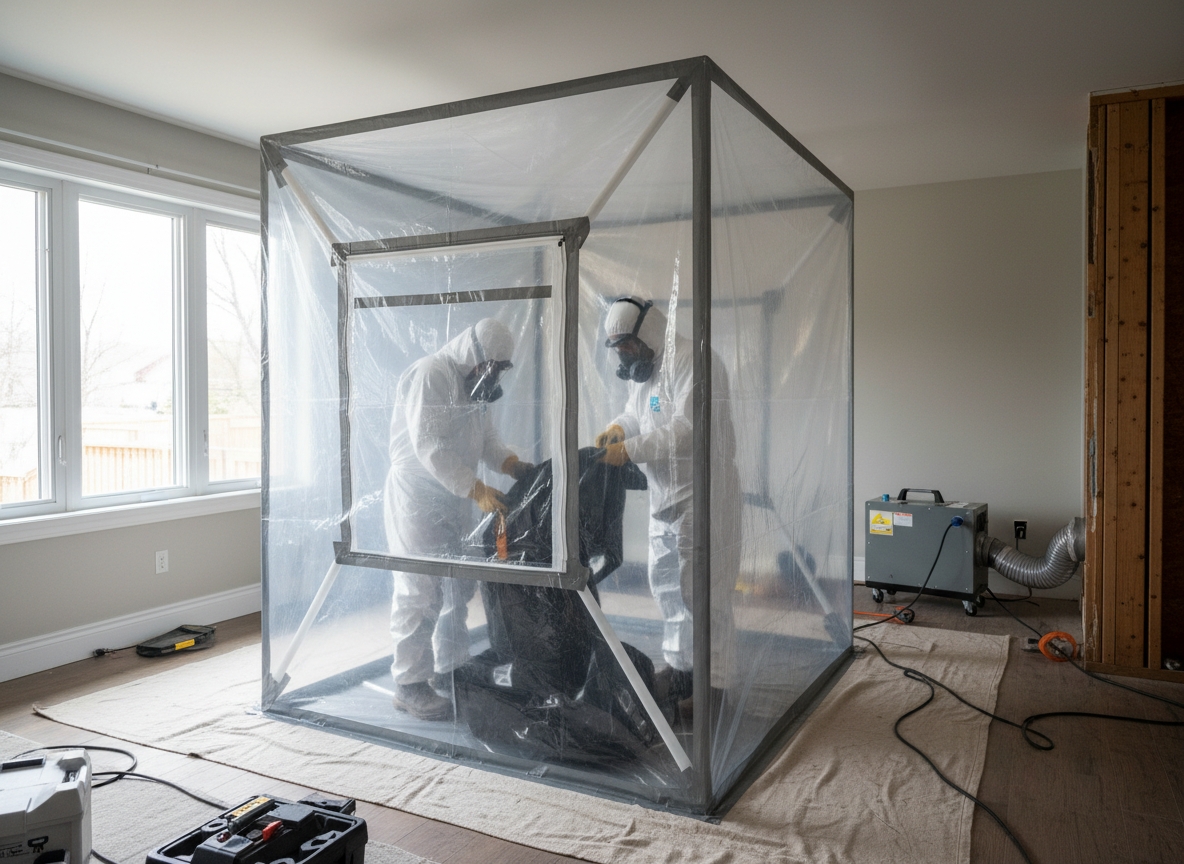
Most homeowners tend to assume that once asbestos is identified, removal is a straightforward task. The reality often becomes clearer…
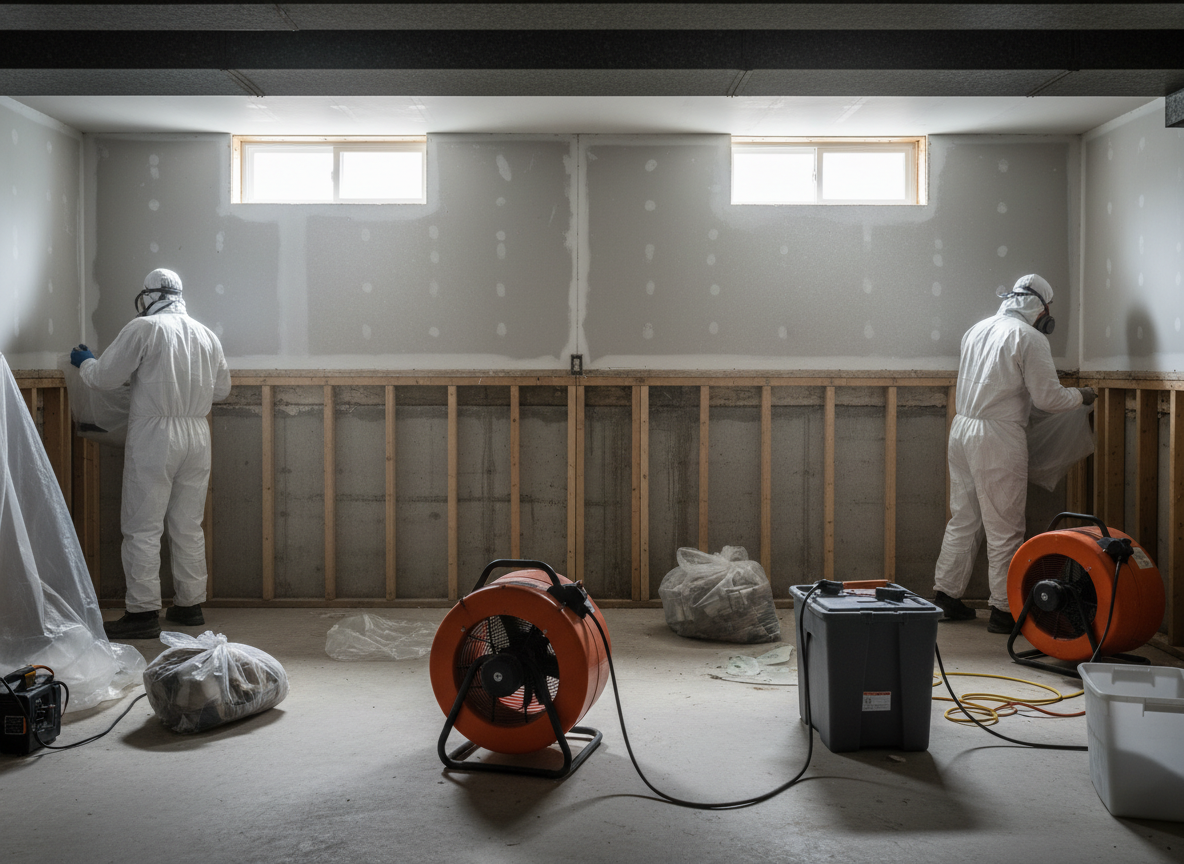
Flooding often exposes hidden weaknesses inside a home. Moisture moves quickly into walls, floors, and insulation, creating conditions that are…
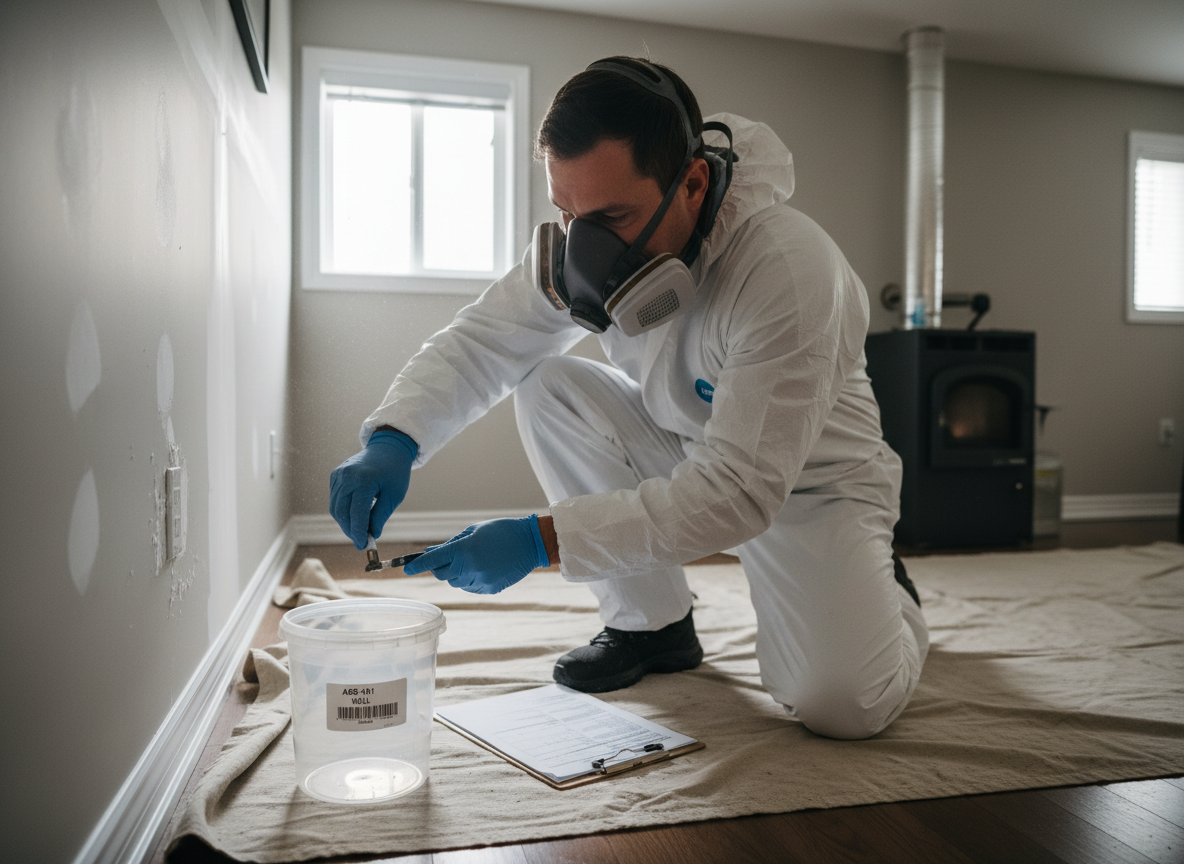
Older homes across Canada often contain building materials installed long before asbestos regulations were clearly defined. The concern usually surfaces…
Not always. Asbestos removal is recommended if the material is damaged, deteriorating, or likely to be disturbed during renovations. If asbestos-containing materials are in good condition and undisturbed, professionals may recommend encapsulation or monitoring instead. A licensed asbestos inspection specialist can determine whether removal is the safest and most compliant solution.
An asbestos home inspection typically includes a visual assessment of areas like insulation, drywall, ceiling textures (including popcorn ceilings), flooring, and HVAC systems. Suspected materials are carefully sampled and laboratory tested. After testing, homeowners receive a detailed report outlining asbestos presence, condition, risk level, and recommended next steps, including whether asbestos removal is required.
Asbestos inspection services involve a professional assessment of a property to identify asbestos-containing materials (ACMs). Certified inspectors collect samples and send them to accredited laboratories for testing. You may need asbestos inspection services before renovations, demolition, property purchases, or if your building was constructed before the 1990s. Early inspection helps prevent exposure risks and ensures regulatory compliance.
© 2026 Air Doctors Inc. | Marketed By MacRAE'S -Local SEO Company